
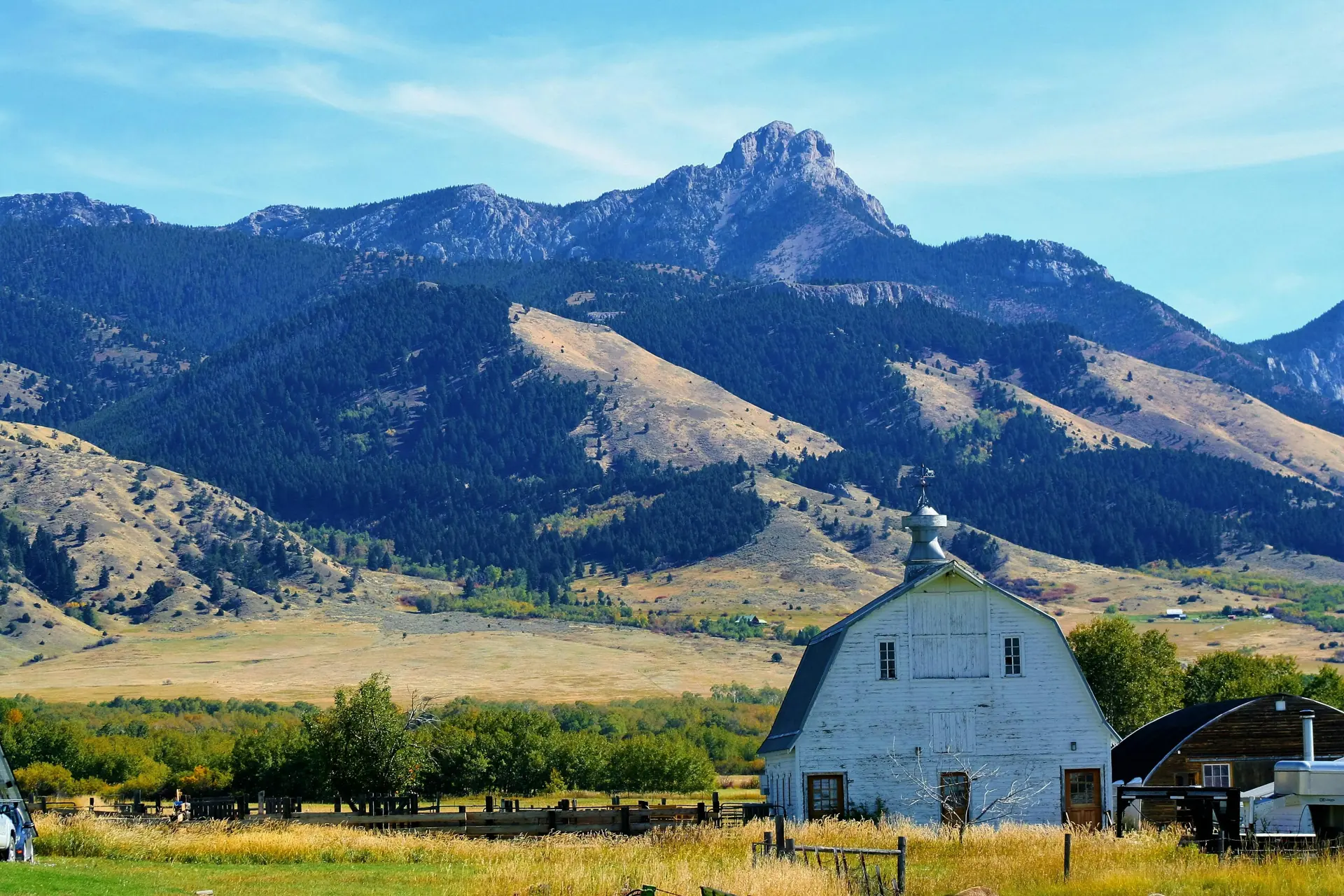
San Marcos · Hays County
Sell land in San Marcos, Texas
San Marcos is the Hays County seat and home to Texas State University, but outside the city the land runs from Hill Country ridges to San Marcos River bottomland.
- No commissions, no fees, no repairs
- Written cash offer, no obligation
- You pick the closing date
Get your no-obligation cash offer
Takes about 60 seconds. No cost, no pressure.
- Cash or flexible termsNo bank approval, no financing contingency
- Title company closingLicensed Texas title handles it
- $0 fees or commissionsThe offer is what you receive
- Written, no-obligation offerDecline anytime, no cost
- Texas-based buyerTexas landowners and families
The land around San Marcos
The Balcones Escarpment splits the area: hilly limestone and juniper to the west along RR 12 and SH 12, and flatter blackland and river bottom to the east toward Martindale and Lockhart.
How San Marcos got here
San Marcos is the Hays County seat and home to Texas State University. It grew around a series of springs that feed the San Marcos River, which flows out of the Edwards Aquifer. Those springs have drawn people for thousands of years and shape how land is used today: they supply water, support rare species, and make the area both scenic and heavily regulated.
The Balcones Escarpment splits the area. West is limestone Hill Country; east is blackland and river bottom. Land around San Marcos is as varied as any in the Austin region.
How land sells in the San Marcos area
Buyers include builders and developers working along I-35 and the highways toward Wimberley and Lockhart, investors, and individuals seeking acreage in the Hill Country and river valleys. Student housing demand adds a different set of buyers for parcels near the university.
River-adjacent and aquifer-related rules affect value, and an owner with a complicated tract may find a direct buyer more willing to take on the complexity.
Where San Marcos sits
San Marcos is in Hays County, about 30 road miles from downtown Austin. The main routes are I-35, SH 21, SH 80, RR 12, SH 123. Landmarks: the San Marcos River, Spring Lake, Texas State University, the Balcones Escarpment, the Blanco River confluence and Interstate 35.
| County | Hays |
| Main roads | I-35, SH 21, SH 80, RR 12, SH 123 |
| Distance to downtown Austin | about 30 road miles |
| Land we see | River-adjacent tracts, Hill Country ridge acreage, Inherited farm land |
Water, septic and utilities near San Marcos
Parts of western Hays County are within the Edwards Aquifer Authority's jurisdiction, where well permits and pumping limits apply. Outside it, other groundwater districts may regulate.
City water and wastewater cover much of the developed area, while rural tracts rely on wells and septic.
What sellers near San Marcos run into
- Edwards Aquifer recharge and contributing-zone rules apply in parts of western Hays County.
- San Marcos River frontage involves floodplain and sometimes endangered-species considerations.
- Mixed-ownership family tracts are common.
Rules and records that matter in San Marcos
The San Marcos River and the springs support protected species, and development near the river can involve additional review. Floodplain and drainage along the Blanco and San Marcos rivers also limit use.
Hays Central Appraisal District holds valuation, and the Hays County Clerk in San Marcos holds recorded deeds and easements.
Common reasons owners sell land near San Marcos
River-adjacent tract
An owner has frontage and flood issues and wants a clean exit.
Inherited farm land east of town
Heirs prefer cash to managing farm land.
Hill Country ridge acreage
An owner has steep land with limited access.
What affects the value of land near San Marcos
- Aquifer status. Recharge-zone land faces impervious cover limits and water-quality review.
- Floodplain. River and creek flood zones restrict building.
- Utilities. Water, sewer and electric service available at the property line add value.
- I-35 access. Frontage draws commercial and industrial buyers.
- Distance to campus. Student housing demand supports prices near Texas State.
- Terrain. Limestone and hilly land cost more to build on.
How do you sell inherited or estate land in Hays County?
Hays County probate matters run through its county court. The usual order looks like this.
Locate the will. A will generally must be probated within four years of death in Texas. Without one, heirs may use a determination of heirship.
Obtain legal authority. An executor needs letters testamentary. An administrator may be appointed if there is no will.
Collect the paperwork. Deed, tax statement, survey and death certificate.
Align the heirs. All owners must agree or a court must authorize the sale.
Close through a title company. Taxes and liens are paid at closing.
Many San Marcos families own land together as siblings or cousins. Some may want to sell, and others may want to keep it. A Texas attorney can explain partition rights and options. If everyone agrees, we can buy the whole tract and divide the proceeds according to ownership.
Not sure about flood or aquifer status? Send us the address or the Hays Central Appraisal District account number. We check the owner of record, open taxes, flood maps and aquifer zone, and tell you what we found.
How does San Marcos compare with nearby markets?
San Marcos has a college-town economy and a spring-fed river. Kyle to the north is more commuter-driven. New Braunfels to the south has its own rivers and a strong tourism base. Austin is larger and more complex. To the southeast, Seguin shows a more agricultural side of the same region.
Within Hays County, land near the river and campus is a different asset from farm land east of I-35. We look at your parcel against its immediate neighbors, not the county average.
Who should you call locally before you sell San Marcos land?
The seat of Hays County sits on a river and over an aquifer, so the agencies list is a little longer than in most towns.
- Hays Central Appraisal District. Look up the account, acreage and valuation. Check any land-use classifications that apply.
- Hays County Clerk. Deed records, easements, plats and estate filings are here. Search for recorded leases for student rentals, easements for river access and any prior affidavit of heirship.
- Hays County Tax Office. Ask for a payoff statement for taxes.
- City of San Marcos Planning and Development Services. Ask about zoning, density rules and any overlay near the river, the springs or the university. The city has detailed rules in areas that affect water quality.
- Edwards Aquifer Authority. It regulates pumping from the Edwards Aquifer, and its rules affect wells and development in some areas.
- Guadalupe-Blanco River Authority. It tracks water quality and flows on the San Marcos and Blanco rivers.
- U.S. Fish and Wildlife Service. For land near the springs and river, habitat protections for listed species may apply. Ask whether any mapped habitat touches your parcel.
For rental property, ask the city about rental registration, occupancy limits and inspection requirements.
How does the year run for San Marcos landowners?
A university town on a river has a calendar with sharp swings.
January to March. Taxes are due January 31. The spring semester starts in January, and spring break empties the town in March. Leases for the next academic year are signed early in the year, and investors weigh sales against renewals.
April to June. Appraisal notices arrive, with a protest deadline of May 15 or thirty days after the notice. The spring flood season can be severe on the San Marcos and Blanco rivers. Take photographs after rain events to document water levels.
July to September. Summer is the quiet season on campus, and rental lots and duplexes change hands more easily. Tubing season on the river peaks in summer and draws visitors. Heat and low flows put attention on the aquifer and on drought stages. The fall semester starts in late August.
October to December. Football weekends and homecoming fill hotels and roads. Tax bills arrive in October or November. Many investors time sales around lease endings and the semester break.
Leases and tenants. Student leases usually end in July or August. A closing set after leases end avoids disrupting tenants and avoids deposit disputes.
Aquifer and drought. Stage restrictions and low spring flows can change how buyers and regulators treat land near the river. Keep dated photographs and any well records.
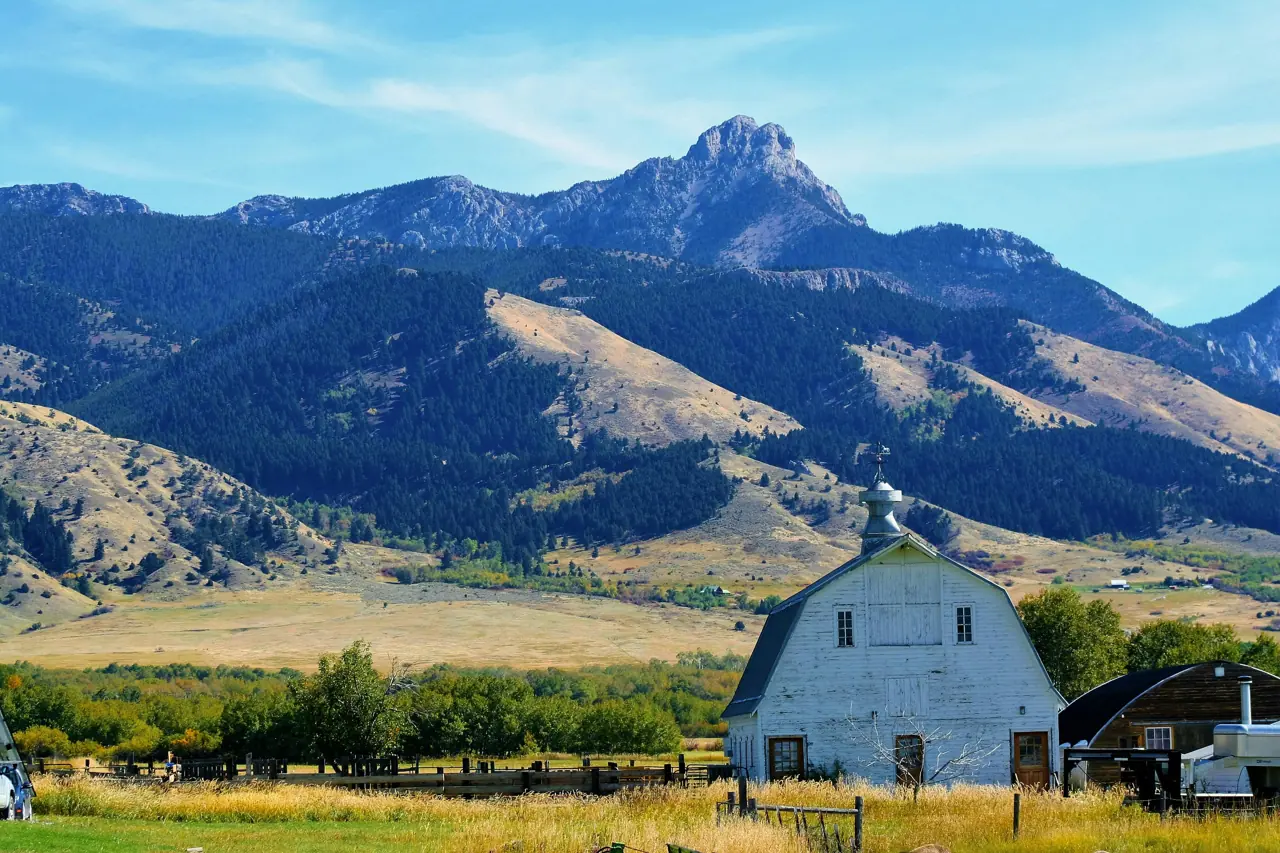

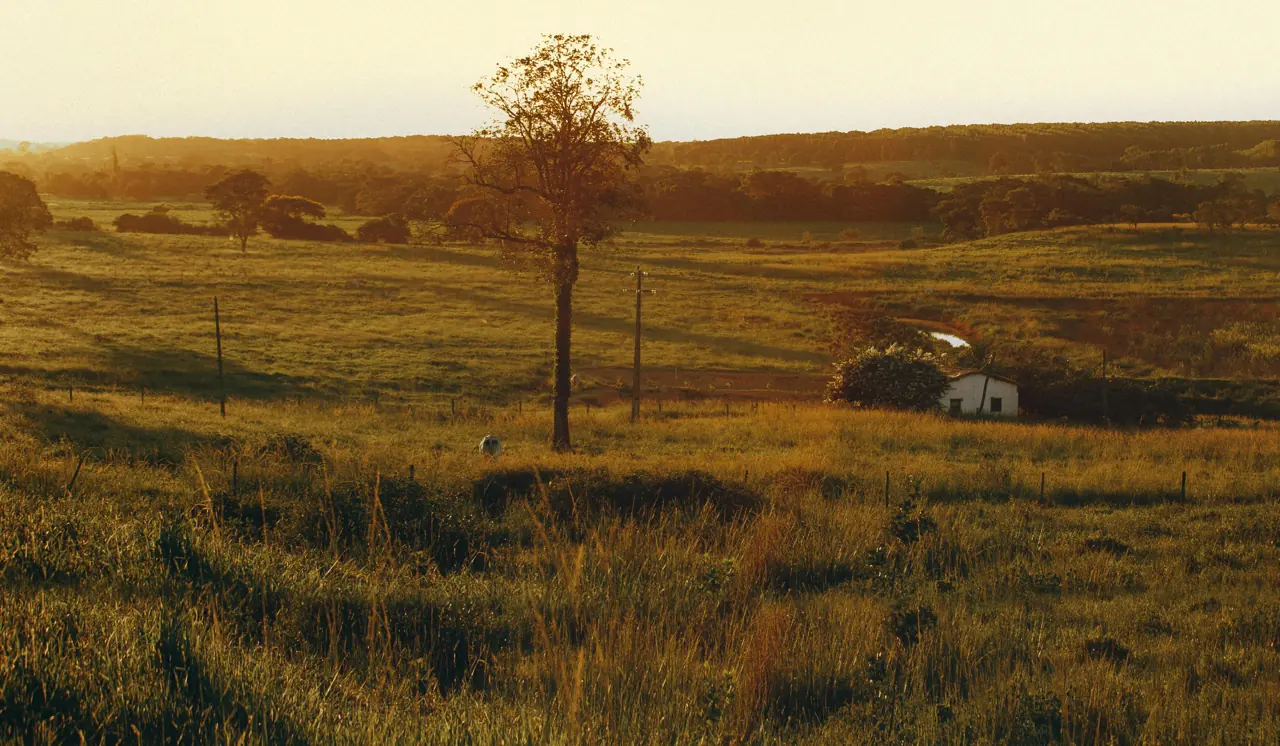
Land we look at in the San Marcos area
- River-adjacent tracts
- Hill Country ridge acreage
- Inherited farm land
Nearby areas we buy in
Kyle, Wimberley, Martindale, Buda.
More ways to sell: sell land fast · sell land for cash · sell inherited land · how selling land in Texas works
Cash is simple. Some land needs more than that.
We buy for cash when that works. When a deal needs it, we get creative: owner-financed purchases, notes, partnerships and development.
Cash offer
A written offer within 24 hours. Closing typically takes 7 to 30 days, or on the date you choose. No commissions or fees.
Owner financing and notes
Want a down payment and payments over time? We can buy your land on owner-financed terms, and we can talk about buying an owner-financed note you hold.
Partnerships and entitlement
Land with development potential? We partner with landowners, buy entitled land and take properties through entitlement.
There is no one-size-fits-all land deal. Each one can have its own lenders, financials and offers, so contact us for details.
Tell us how you want to be paid How owner financing works → Investor? Register for deals →
Common questions
Is land on the San Marcos River harder to sell?
It can be, because of floodplain and environmental rules. We review the specifics and still make an offer on the parcel as it sits.
How far is San Marcos from Austin, and does that affect my land's value?
San Marcos is about 30 road miles from downtown Austin, reached mainly by I-35, SH 21, SH 80, RR 12, SH 123. Buyers weigh that commute and the nearest utilities when they price a tract, and we do the same.
Is land on the San Marcos River harder to sell?
It can be because of floodplain and environmental rules, but we still make an offer on the parcel as it sits.
Does the Edwards Aquifer Authority affect my sale?
It affects wells and pumping. We review any permits.
What do you check first on a San Marcos-area parcel?
We start with Hays County appraisal and deed records, then edwards Aquifer recharge and contributing-zone rules apply in parts of western Hays County.
How much is my San Marcos land worth?
Aquifer status, floodplain, utilities, highway access and size drive value. Send the address or tax account number and we give you a written offer within 24 hours with the reasoning behind it.
Do you buy land in the recharge zone or floodplain?
Yes. We price the extra rules and flood status honestly and tell you what we assumed.
Do you buy rental lots near Texas State?
Yes. We buy infill lots and small rental properties near campus, subject to title and condition.
Do you buy Hill Country acreage near Wimberley?
Yes. We review well, septic and groundwater rules and price them honestly.
Can I sell a rental with tenants in place?
Yes. We can close after leases end, or assume them. The title company reviews the leases and deposits.
Does my land need an environmental study before I sell?
Not for a direct sale. A buyer who plans to build will do their own work. We price in the uncertainty.
Ready to see what your property is worth to us?
Tell us about it in 60 seconds. You will get a straight answer, with no obligation and no pressure.