
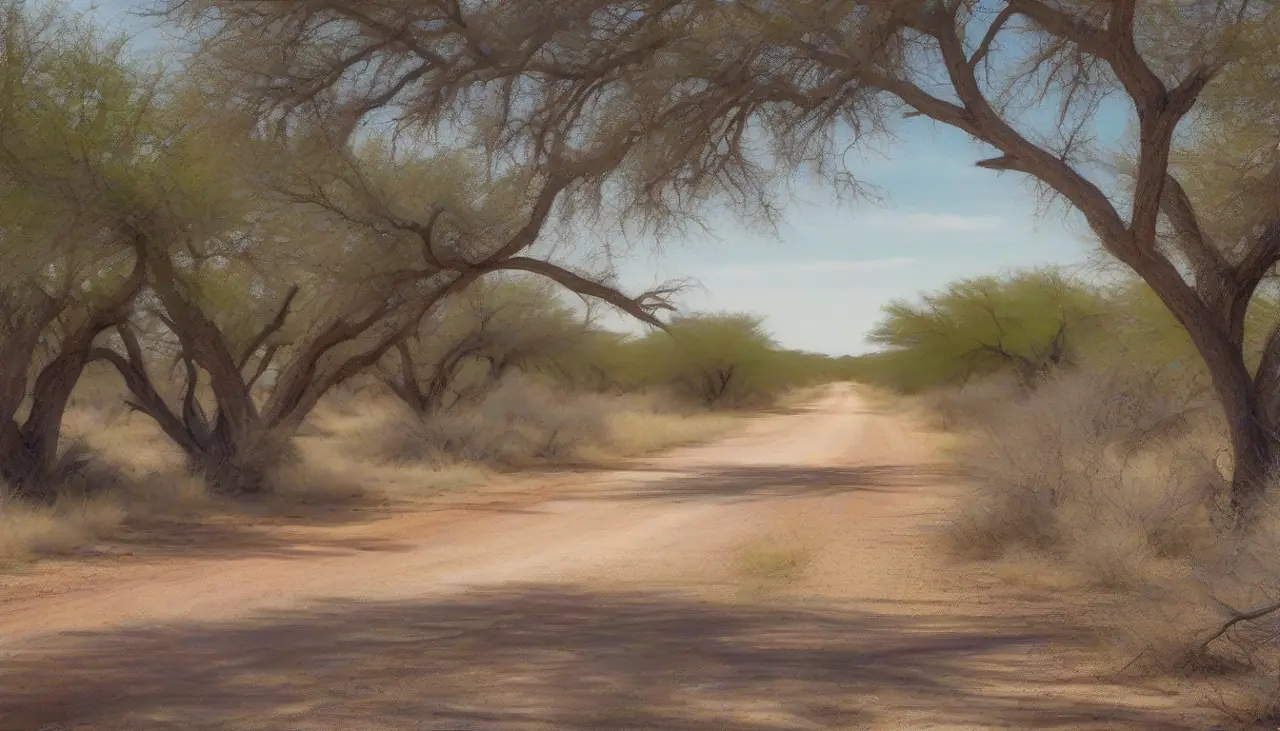
Laredo is where I-35 begins. Interstate 35 starts at the Rio Grande and runs north through San Antonio, Austin, Waco and Dallas-Fort Worth all the way to Minnesota. That makes Laredo the front door for a huge share of the trade between the United States and Mexico. Trucks, rail and warehouses define the local economy. Texas A&M International University, healthcare and retail round out the picture.
We buy land in Laredo and across Webb County directly, for cash. You get a written offer, a clear explanation of how we priced it and the final say on the closing date. We speak Spanish and English, and we work with families who live on both sides of the border.
Laredo land at a glance
Why do Laredo landowners sell directly?
Land in the family for generations
Many Laredo families hold city lots or ranch parcels that passed through several heirs, often without full paperwork.
Heirs in other cities or Mexico
Owners who live in San Antonio, Houston, Monterrey or elsewhere find it hard to manage land from a distance.
Rural tracts that are hard to list
Brush country land without road access or utilities can sit unsold for years.
Rising costs and little use
Property taxes, brush clearing and fencing continue even when the land produces no income.
We say so when a broker might do better. A tract at a major interchange with active warehouse interest may bring more through a commercial agent. A direct sale suits owners who prefer speed, certainty and privacy.
How does the Laredo land market work?
Laredo is the seat of Webb County. The city’s growth follows the highways. I-35 north of the city, Loop 20 around the east and north, US 83 toward Zapata and SH 359 toward Mirando City and Alice all draw development. International bridges, including the World Trade Bridge, carry freight, and rail crosses the border here as well.
The market breaks into distinct pieces.
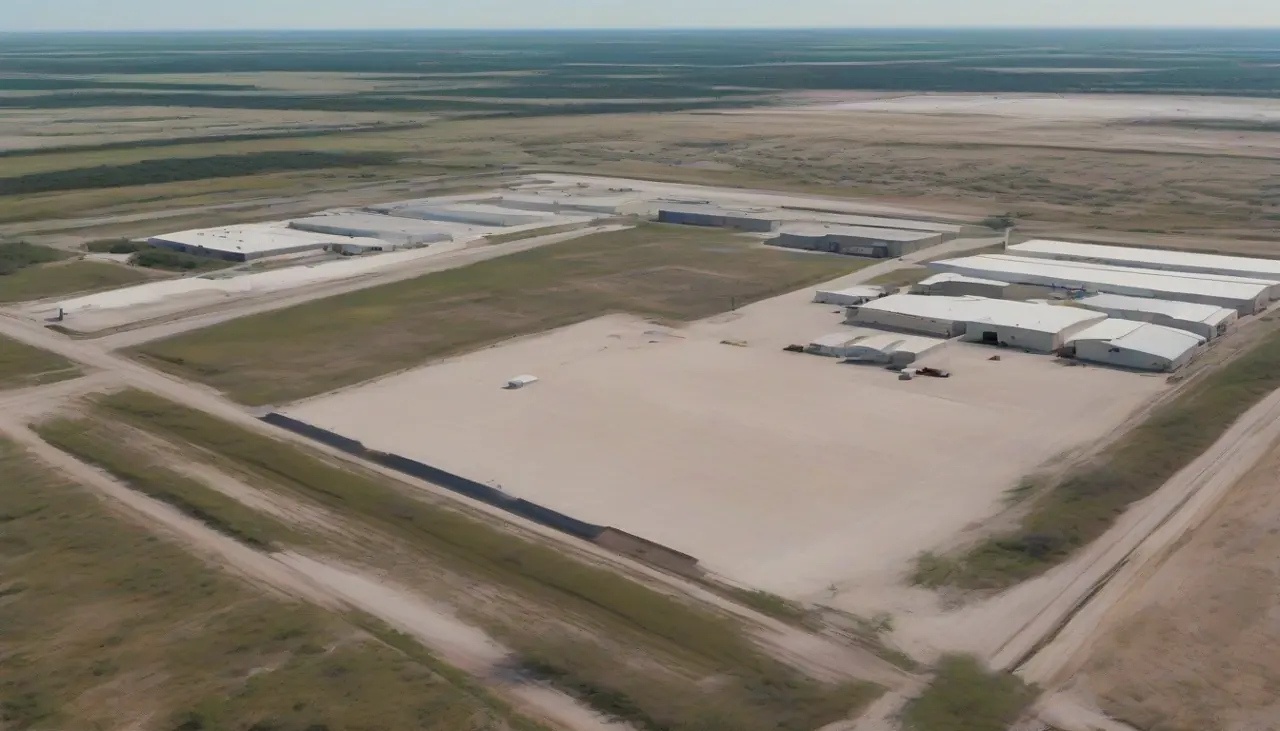
Industrial and logistics land. Warehouses, cross-docks and truck yards cluster near I-35, Loop 20 and the bridges. Parcels with highway frontage and utilities draw logistics buyers.
North Laredo. Homes, shopping and schools have moved north along I-35 and Loop 20. Tracts with utilities nearby appeal to builders.
Central and southern neighborhoods. Older neighborhoods have small lots and redevelopment parcels.
Rural Webb County. North, east and west of the city, large ranch tracts support hunting, grazing and energy activity. The Eagle Ford Shale reaches into the area, and mineral ownership is often severed from the surface.
Border-adjacent land. Parcels near the Rio Grande face special rules for flood zones and federal border infrastructure.
What matters most to a Laredo seller:
- Highway frontage and interchange access. Land near I-35 and Loop 20 earns a premium.
- Utilities. City water and sewer, or a rural supplier, raise value.
- Flood zones. The Rio Grande floodplain and arroyos restrict building.
- Minerals and easements. Pipelines and severed minerals affect price.
What affects the value of land in Webb County?
Frontage on I-35 or Loop 20
Highway access is the single biggest value driver for commercial and industrial buyers.
Utilities and water rights
City water and sewer lines, electric service and nearby suppliers matter. Rural tracts may rely on wells or hauled water.
Zoning
City zoning applies inside Laredo. County rules apply outside it.
Floodplain
FEMA maps and arroyos shape what can be built.
Brush and terrain
South Texas brush clearing costs money. Level tracts are easier to use.
Minerals
Eagle Ford and other oil and gas activity make mineral ownership a key detail.
Where in Webb County is demand strongest?
I-35 north and Loop 20. Land along the north corridor draws logistics, retail and housing buyers.
Near the bridges and rail yards. Industrial parcels with truck access are in demand from trade-related buyers.
North and east rural Webb County. Ranch and recreation tracts sell to hunters, ranchers and investors.
Central Laredo. Infill lots draw builders of new homes and small commercial uses.
Along US 83 toward Zapata. Rural land and recreation tracts near the Falcon area attract weekend buyers.
How do you sell inherited or estate land in Webb County?
Webb County probate matters go through its county court. The usual order looks like this.
Many Laredo families hold land through informal transfers. A deed may still carry the name of a grandparent who died decades ago. Title companies often ask for an affidavit of heirship or a court order. If heirs live in Mexico, documents can often be signed at a consulate or through a remote notary. We explain each step in Spanish or English, and we work with your attorney.
Not sure what you own? Send the address, a plat or the Webb County Appraisal District account number. We check the owner of record, open taxes and recorded liens so you know what a title company will ask.
Ready to talk about your Laredo land?
Pick whichever is easiest. No cost, no obligation, no pressure.
Prefer to talk now? Call (512) 588-2771
What taxes and exemptions affect Webb County land?
The Webb County Appraisal District sets values. Unpaid taxes add penalties and interest, and the county can sue to collect.
Back taxes. We can buy land with delinquent balances and pay them from the proceeds at closing.
Agricultural valuation. Ranch land used for grazing, hunting management or wildlife can qualify for open-space valuation. If use changes after a sale, rollback taxes for the previous three years plus interest can apply.
Capital gains. Inherited property often receives a stepped-up basis, which can reduce gain on a prompt sale. Confirm with a CPA.
What should owners know about trade and border rules?
Laredo’s role as a trade hub affects land in ways owners elsewhere never face.
- Federal border infrastructure. Land near the river or bridges can be affected by federal projects, easements and enforcement activity.
- Customs-related uses. Warehouses and bonded facilities need specific site features. Buyers look for large truck courts and fast highway access.
- Foreign Trade Zone status. Some industrial parks in Laredo hold special designations that help certain buyers.
- Cross-border ownership. Owners may live in Mexico. Texas land sales can still close with the right documents.
We review each parcel for these factors and explain what we assumed in our offer. If your land is near the river or the bridges, send us the details early.
What title and site problems can we work through?
- Informal family transfers. We work with title companies and attorneys to clear them.
- Old surveys and unrecorded plats. A new survey settles boundaries.
- No legal access. We look for recorded access or negotiate an easement.
- Severed minerals. We review the chain of title and price the land accordingly.
- Pipeline and utility easements. These reduce buildable area but do not stop a sale.
- Unpaid liens. Paid from proceeds where possible.
What mistakes should Laredo landowners avoid?
- Assuming a deed means legal access. Check recorded easements.
- Ignoring the mineral estate. Reserve minerals in writing if you want to keep them.
- Skipping a survey. Old descriptions can be wrong.
- Paying taxes forever on idle land. Weigh the annual cost against a sale.
- Signing papers you do not understand. Ask for a copy in your language and have an attorney review.
- Taking the first offer. Compare and ask how each buyer priced the land.
An illustrative Laredo sale, step by step
The following is a composite example built to show the process. It is not a real client, and the details are invented.
Imagine a family with roots on both sides of the Rio Grande. A grandmother in Nuevo Laredo bought 12 acres of brush land north of Laredo decades ago, and the deed is in her name. She has passed away. Her four children live in Laredo, San Antonio, Monterrey and Chicago. They have talked about the land at every family gathering and never agreed on what to do. Meanwhile, an Eagle Ford operator once leased the minerals, and nobody can find the paperwork.
They send the legal description and a photo of the deed. We check the appraisal district, the plat and the county records, and we find the old lease was released years ago. We explain that the tract has caliche road access, no city water and power along the road, and that its distance from I-35 shapes the price. We make a written offer and talk through it by phone in Spanish with the daughter in Laredo and by video with the others.
An attorney helps with the heirship paperwork. The family signs documents at a consulate, by mail and at the title company. The closing happens on a date that suits everyone, and each heir receives a clear statement of their share.
The lesson: a family that cannot agree on much can still agree on a clear number, a clear process and a language they all understand.
What could change land values around Laredo in the next few years?
No one can predict values with certainty. These developments tend to move Laredo-area land and are worth watching.
- Trade volumes and border policy. Freight growth and customs changes shape warehouse and truck yard demand.
- Bridge and highway projects. New crossings, I-35 upgrades and Loop 20 work change access.
- Industrial park development. New parks and foreign trade zone expansions draw users.
- Water and sewer growth. City utility extensions open new areas to housing.
- Energy activity. Eagle Ford drilling levels affect mineral value and rural demand.
- Interest rates. Higher borrowing costs slow builders and soften land prices.
If any of these touch your parcel, tell us. We factor them into the number and explain the reasoning.
How does Laredo compare with nearby markets?
Laredo is the end of the I-35 line, and its land market feels different from the rest of the corridor. San Antonio, 150 miles north, has faster residential growth and a larger buyer pool. Corpus Christi is a coastal and industrial market to the east. El Paso shares the border setting and many of the same cross-border family situations.
Within Webb County, a lot near the bridges or Loop 20 is a different asset from a ranch parcel on the county’s rural edge. We look at your parcel against its immediate neighbors, not the county average.
What situations do we see most often around Laredo?
- Ranch parcels inherited by relatives in several countries. Coordination is the main challenge.
- Land with an old oil and gas lease. The owner is unsure whether it is active.
- Lots in older Laredo neighborhoods. Taxes and liens pile up.
- Tracts near Loop 20 or I-35. Developers and brokers call, and the owner wants a second opinion.
- Brush land with no road. Access is the central question.
If your situation looks like one of these, you are not alone, and we have likely seen it.
Who should you call locally before you sell Laredo land?
Border land has its own list of offices. These are the ones that answer the questions buyers raise.
- Webb County Appraisal District. Look up the account to see acreage, legal description and exemptions. For large ranch parcels, the district map helps confirm which survey and abstract number apply.
- Webb County Clerk. Deed records, plats and probate filings are here. If a prior generation recorded a transfer in Spanish or through a notary in Mexico, ask a title officer how it should be handled.
- Webb County Tax Office. Request a payoff statement for taxes.
- City of Laredo Utilities Department. Ask whether water and sewer lines serve the lot, and what extension would cost. North Laredo growth has pushed lines outward, and distance from a line can change a buyer’s price.
- City of Laredo Planning and Zoning. Inside the city, zoning and platting rules apply. Outside it, county rules do.
- International Boundary and Water Commission. For land close to the Rio Grande, this federal agency handles levees and boundary questions. Ask whether any easements or restrictions sit on your parcel.
- Texas Department of Transportation, Laredo District. Planned changes to I-35, Loop 20 or the bridges can affect frontage. The district publishes project maps.
If you own mineral rights or a lease in the Eagle Ford area, the Texas Railroad Commission’s public data lets you see nearby wells.
How does the year run for Laredo landowners?
South Texas weather and trade patterns set the pace.
January to March. Taxes are due January 31. Winter is the best time for brush country site visits, because heat and snakes are less of a concern. Retirees and winter visitors fill the region, which sometimes lifts local housing demand.
April to June. Appraisal notices arrive, with a protest deadline of May 15 or thirty days after the notice. Temperatures climb quickly, and ranch roads can dry hard. Spring is a good time to confirm gates, fences and access with a neighbor.
July to September. Summer is hot, and the brush country can be tough to enter. Thunderstorms can flood arroyos and wash out caliche roads. If you want a buyer to see the land, go early in the morning. Cross-border commerce slows slightly in some sectors during the summer, and some owners time travel to Texas for signings in the cooler months.
October to December. Hunting season is central to the rural economy, and ranch parcels often change hands in the fall. Some hunting leases end on a set date in January, so closings tend to follow the lease calendar. Tax bills arrive in October or November.
Trade cycles. Freight volumes and customs policy can change quickly. When trade is strong, warehouses and truck yards near the bridges draw more interest. When it slows, buyers become more cautious.
Holidays. Semana Santa and the holiday season affect family schedules on both sides of the border. Plan document signings with them in mind.
Land we buy near Laredo
How selling land to us works
Tell us about it
Share the location and a few details by form or phone. About a minute, no cost.
We research and make an offer
We check records, access, flood and utilities, then give you a written cash offer within 24 hours and explain the number.
You choose the date and get paid
A Texas title company handles the paperwork. You are paid at closing, usually 7 to 30 days out or on the date you choose.
Benefits of working with Sell My Texas Estate in Laredo
No commissions or fees
You keep the full offer. We typically cover standard closing costs.
Buy as-is
No repairs, clearing, surveys or cleanup required to get an offer.
You pick the date
Close in 7 to 30 days, or on the date you choose.
We handle hard land
Back taxes, liens, no road access, heirs, minerals, floodplain.
Cash or flexible terms
Cash when it works, owner-financed or creative terms when the deal needs them.
Straight answers
If a listing would net you more, we will say so.
Local to Texas
We know Webb County records, local utilities and how builders and investors price land around Laredo.
Cash offer vs listing your Laredo land
| Sell to us | List with an agent | Auction | |
|---|---|---|---|
| Commission and fees | None | Commonly 5 to 6%+ | Buyer's premium and fees |
| Time to close | 7 to 30 days, or your date | Often months on land | Weeks, on their schedule |
| Price certainty | Written offer up front | Depends on market | Unknown until bidding |
| How you get paid | Cash at closing, or owner-financed terms | Whatever the buyer can finance | Cash at the auction |
| Financing risk | None, cash | Buyer loan can fail | Usually cash |
| Repairs and cleanup | None | Often expected | As-is |
Details in our guides to selling land for cash, selling land fast and selling without a realtor.
Cash is simple. Some land needs more than that.
We buy for cash when that works. When a deal needs it, we get creative: owner-financed purchases, notes, partnerships and development.
Cash offer
A written offer within 24 hours. Closing typically takes 7 to 30 days, or on the date you choose. No commissions or fees.
Owner financing and notes
Want a down payment and payments over time? We can buy your land on owner-financed terms, and we can talk about buying an owner-financed note you hold.
Partnerships and entitlement
Land with development potential? We partner with landowners, buy entitled land and take properties through entitlement.
There is no one-size-fits-all land deal. Each one can have its own lenders, financials and offers, so contact us for details.
Tell us how you want to be paid How owner financing works → Investor? Register for deals →
Laredo land selling: frequently asked questions
How much is my Laredo land worth?
Highway frontage, utilities, zoning, floodplain, minerals and size drive value. Send the address or tax account number and we give you a written offer within 24 hours with the reasoning behind it.
Do you work with Spanish-speaking sellers?
Yes. We explain documents and answer questions in Spanish and English.
Can heirs in Mexico sign documents?
Usually yes. Documents can be signed by mail, remote notary or at a consulate. The title company confirms what is acceptable.
Will you buy ranch land outside Laredo?
Yes. We buy ranch and recreation tracts in Webb and nearby counties.
Can you buy inherited land before probate is complete?
A sale needs legal authority. We coordinate with your attorney and a title company so the sale can close once court steps are done.
Do you buy industrial land near the bridges?
Yes. Send us the details and we will tell you whether it fits.
Can I sell land if some heirs are in Mexico?
Usually yes. Documents can be signed at a consulate, by mail or by remote notary where accepted. The title company confirms what works.
What if the deed is in a language I do not read?
We can explain it in Spanish and English, and we encourage you to have an attorney review any document you sign.
Do you buy land near the border or the river?
Yes. We review flood zones, federal infrastructure and access, and price them honestly.
What if there is an old oil and gas lease?
It may be expired or active. We look at the recorded documents and tell you what we found.
Nearby cities and counties we buy in
San Antonio, Corpus Christi, El Paso, New Braunfels, Seguin, Austin. Also see Webb County and all 254 Texas counties.
We are a direct property buyer, not a law firm, tax advisor or real estate brokerage. This guide is general information, not legal or tax advice. Population figures: U.S. Census Bureau Vintage 2025 estimates. Market figures are indicative and change.