
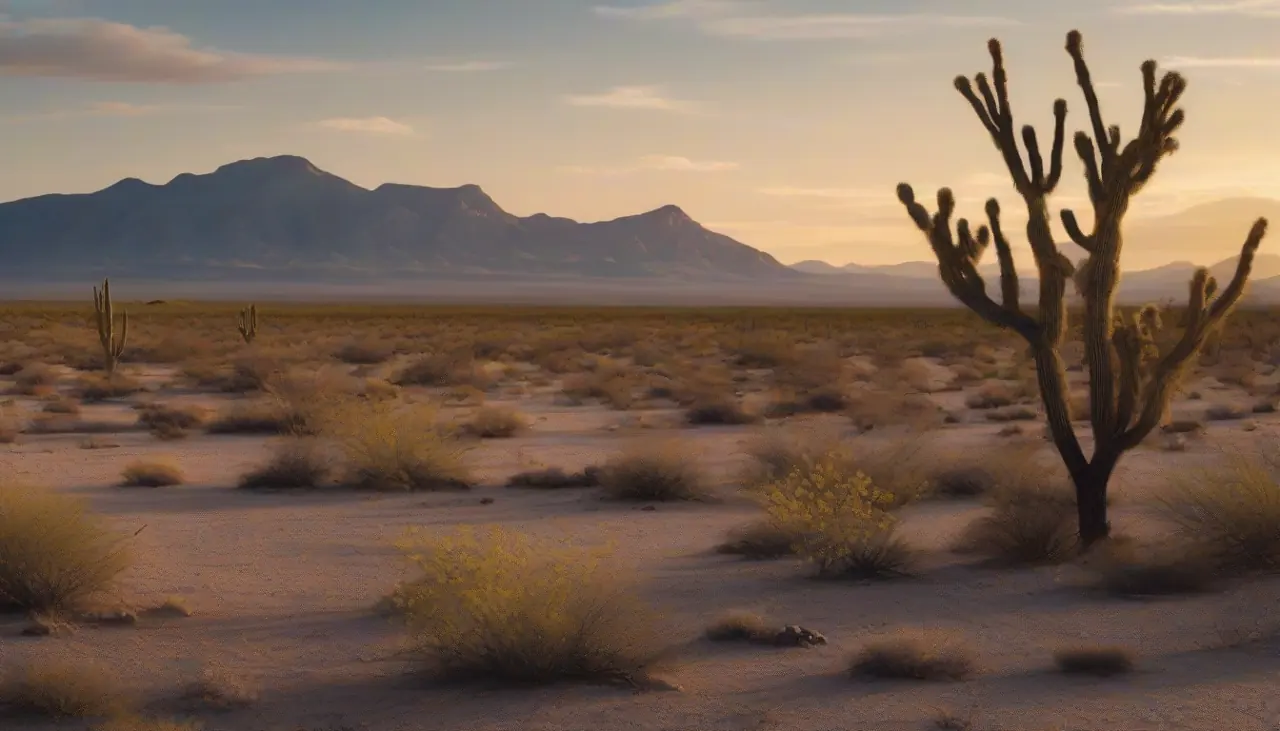
El Paso is far from the rest of Texas. It is closer to Phoenix than to Houston, and it shares a metro area with Ciudad Juarez, Mexico, and Las Cruces, New Mexico. That geography shapes its land market. Fort Bliss, one of the largest Army installations in the country, supports a steady stream of residents. Cross-border trade and manufacturing add jobs. Growth has pushed east along I-10 and north of the Franklin Mountains.
We buy land in El Paso and El Paso County directly, for cash. You get a written offer, an explanation of the price and a closing date you control. We work with Spanish-speaking sellers and families who live across the border or out of state.
El Paso land at a glance
Why do El Paso landowners sell directly?
Family land held for generations
Many El Paso families hold desert tracts or city lots passed from grandparents, with several heirs and no clear plan.
Absentee owners
Owners who moved to another state or across the border find it hard to manage land they rarely see.
Land that is hard to list
Desert parcels without utilities or paved access can sit unsold for years.
A desire for a quiet sale
Many sellers prefer not to advertise their plans or put a sign on their land.
We tell sellers honestly when another route could pay more. A tract on a main road near a new development may do well with a broker. A direct sale suits owners who want speed, certainty and privacy.
How does the El Paso land market work?
El Paso County covers a large area, and the market breaks into distinct pieces.
The Eastside and Far East. Growth along I-10 east of the Loop 375 interchange has driven new homes, schools and shopping centers. Land with utility service and road access draws builders.
Northeast El Paso. The area near US 54 and the Franklin Mountains attracts residential buyers.
Horizon City and Socorro. The southeast side has seen steady subdivision growth. Parcels near water and sewer service are attractive.
Upper Valley, Canutillo and the northwest. Farm and ranch parcels along the Rio Grande have different value drivers, including irrigation rights and flood zones.
Central and older neighborhoods. Small lots and redevelopment parcels interest builders of new homes and small multifamily projects.
Outlying desert in El Paso and Hudspeth counties. Large desert tracts, often sold years ago in subdivisions without utilities, remain common. These are land we regularly see and buy.
What matters most in El Paso:
- Water and sewer. El Paso Water serves much of the city. Land outside service areas may rely on wells, hauled water or septic systems.
- Legal access. Many desert tracts have no recorded road. A paved road or easement is a big value factor.
- Platting and subdivision status. Land that was subdivided without platting can be hard to build on.
- Terrain and arroyos. Desert washes carry flood risk during monsoon rains, and the Franklin Mountains create steep terrain.
What affects the value of El Paso land?
Utilities
City water and sewer lines, or a nearby water supplier, raise value. Land that needs long extensions is worth less.
Road access
Paved frontage with recorded access sets a parcel apart.
Platting
Legally platted lots can be built on. Unplatted tracts face county rules that limit use.
Flood zones and arroyos
Drainage patterns after heavy rain matter for building.
Zoning and jurisdiction
City zoning applies inside El Paso. County rules apply outside it.
Proximity to growth
Distance to I-10, schools and retail affects demand.
Where is demand strongest in El Paso County?
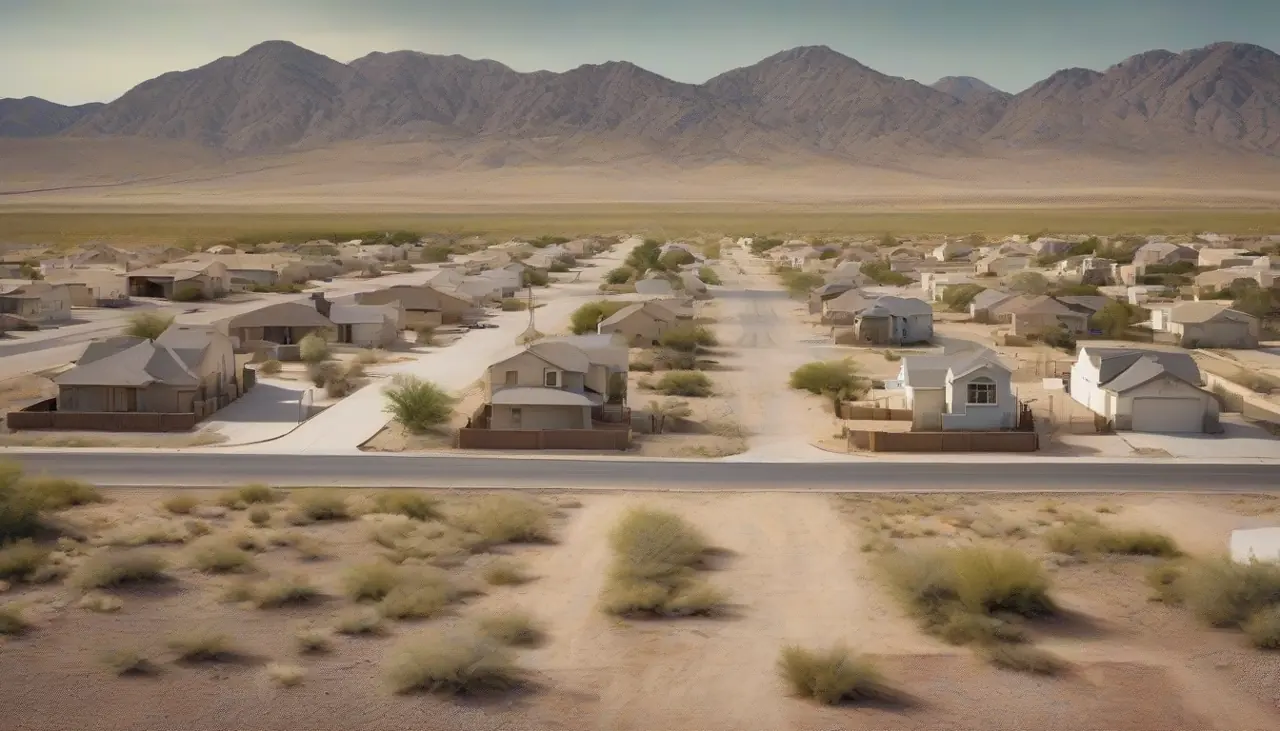
Eastside along I-10. The area has the most active residential development, and tracts with utility access sell well.
Far East near Horizon City and Socorro. Growth continues, and builders look for tracts they can plat and serve.
Northeast near the mountains. Land here is attractive for custom homes, though terrain and drainage matter.
Near Fort Bliss. Demand from military families supports rentals and homes nearby. Parcels near the post and major roads interest builders and investors.
Infill and redevelopment. Central neighborhoods have lots that builders redevelop.
How do you sell inherited land in El Paso County?
El Paso County has a statutory probate court. A typical estate sale follows these steps.
- Find the will. A will generally must be probated within four years of death in Texas. Without one, heirs may use a determination of heirship.
- Obtain legal authority. An executor needs letters testamentary. Without a will, an administrator may be appointed.
- Collect the paperwork. Deed, tax records, survey and death certificate.
- Align the heirs. All owners must agree or a court must authorize the sale.
- Close with a title company. Taxes and liens are paid at closing.
El Paso has many informal transfers. Land passed within families on handshake agreements is common, and some owners hold deeds in the name of a deceased grandparent. A title company may require an affidavit of heirship or a court order. Heirs who live in Mexico or other states can sign by mail or through a remote notary or the Mexican consulate. We work with Spanish-speaking sellers and can coordinate in either language.
Not sure what you own? Send the address, a plat number or the El Paso Central Appraisal District account number. We check the owner of record, open taxes and recorded liens so you know what a title company will ask.
Ready to talk about your El Paso land?
Pick whichever is easiest. No cost, no obligation, no pressure.
Prefer to talk now? Call (512) 588-2771
What taxes and exemptions affect El Paso land?
The El Paso Central Appraisal District sets values and taxing units set rates. Unpaid taxes add penalties and interest.
Back taxes. We can buy land with delinquent taxes and pay them at closing from the proceeds.
Agricultural valuation. Farm and ranch land along the valley may qualify for open-space valuation. If use changes, rollback taxes for the prior three years plus interest can apply.
Capital gains. Inherited land often receives a stepped-up basis, which can reduce gain on a prompt sale. Confirm with a CPA.
What is different about selling desert acreage?
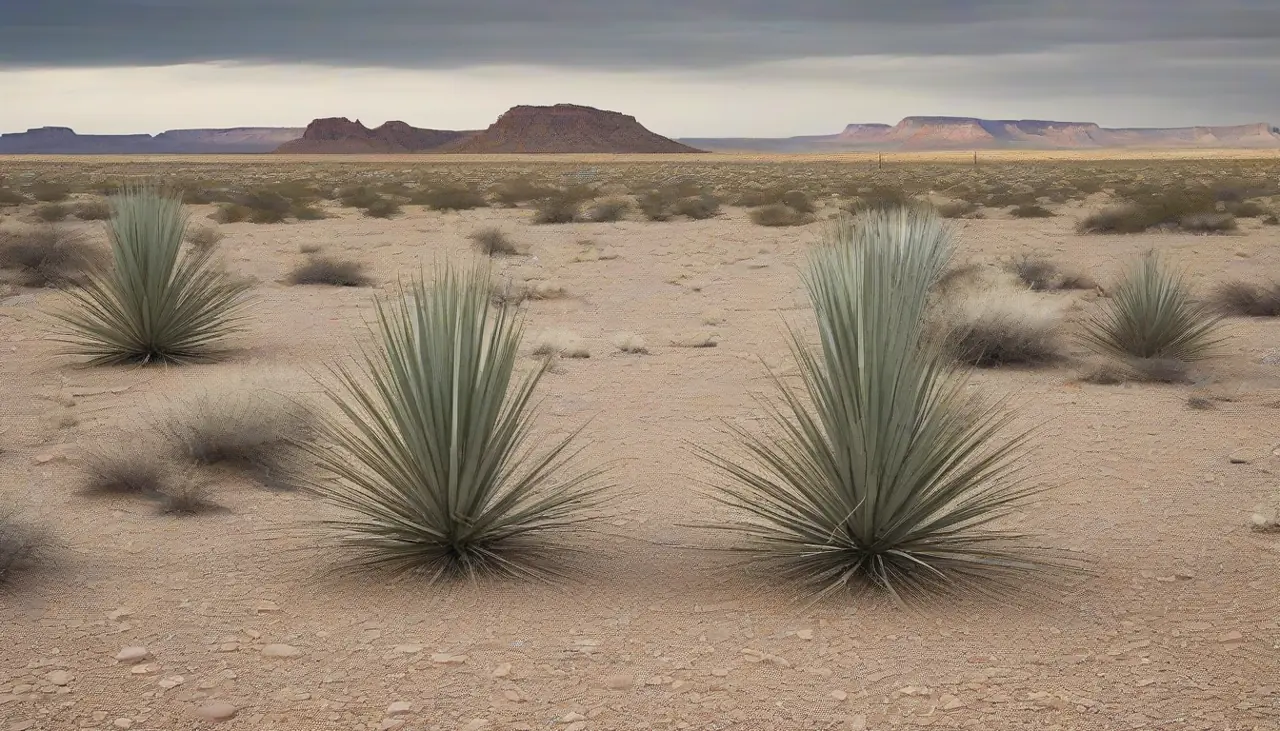
A large part of El Paso County’s land inventory is desert, often divided long ago into small tracts without utilities or roads. If you hold a parcel like this, you may face questions that do not come up in the city.
- No utilities. Without water, sewer or electric lines, the pool of buyers narrows to investors and people willing to build off the grid.
- No recorded road. Many parcels depend on informal tracks across other owners’ land. A buyer wants legal access.
- Unplatted subdivisions. County rules on septic, water and roads can limit building. A buyer should understand these before closing.
- Remote ownership. Owners often live far away and have never walked the land. A satellite review plus a site visit can answer many questions.
- Delinquent taxes. Small tracts may carry years of unpaid taxes and penalties.
We buy desert acreage, including parcels that look unsellable. We review the plat, county records and satellite imagery, and we tell you what we found. Even remote parcels carry value for buyers who want land, ranching, solar or long-term holding.
What mistakes should El Paso landowners avoid?
- Assuming a deed means a buildable lot. Check platting and access.
- Ignoring flood and arroyo patterns. Desert washes matter.
- Paying taxes forever on land you do not use. Compare the cost with a sale.
- Selling to the first caller. Compare offers and ask how each was built.
- Missing the estate deadline. The four-year window to probate a will matters.
- Signing documents you cannot read. Ask for a copy in your language and have an attorney review.
An illustrative El Paso sale, step by step
The following is a composite example built to show the process. It is not a real client, and the details are invented.
Imagine a family in Ciudad Juarez whose grandfather bought a 5-acre desert parcel east of El Paso in the 1970s. The deed is in his name. He has passed away, and his children, now in their sixties, know the land only from one old photograph. Taxes have gone unpaid for several years. They do not know whether there is a road or whether the land is even buildable.
They send the legal description in Spanish and English. We check the plat records, the appraisal district and recent satellite images. We explain that the parcel has no recorded road, that the nearest water line is far away and that taxes and penalties total a modest amount. We make a written offer and explain how the access problem shaped the price.
The family consults an attorney, who advises an affidavit of heirship. The documents are signed at a consulate and mailed. The title company reviews them and schedules a closing. The back taxes are paid from the proceeds, and the family splits the remainder.
The lesson: land the family had given up on can still sell, when someone is willing to read the records and explain the numbers in the family’s language.
What could change land values around El Paso in the next few years?
No one can predict values with certainty. These developments tend to move El Paso-area land and are worth watching.
- I-10 and Loop 375 projects. Road work on the Eastside changes access and demand.
- Water and sewer extensions. El Paso Water’s expansions open new areas.
- Fort Bliss activity. Troop levels and construction affect rental and housing demand.
- Trade and border policy. Cross-border commerce shapes industrial and logistics land.
- Solar and energy projects. Desert land can interest solar developers.
- Interest rates. Higher borrowing costs slow builders and soften land prices.
If any of these touch your parcel, tell us. We factor them into the number and explain the reasoning.
How does El Paso compare with nearby markets?
El Paso is far from the rest of Texas, so its closest comparisons are with other dry, trade-oriented markets. Laredo shares the border setting and logistics economy. Lubbock shares West Texas distances and water questions. Farther east, San Antonio and Austin have very different growth pressures.
What sets El Paso apart is the amount of unplatted desert land and the importance of utility access. A parcel with a road and water nearby can be worth many times one without. We look at your parcel against its immediate neighbors, not the county average.
What situations do we see most often around El Paso?
- Desert tracts bought decades ago. The owner has never seen the land.
- Family land held by relatives in Mexico. Heirs live across the border.
- Lots with years of unpaid taxes. Penalties have piled up.
- Parcels in unplatted subdivisions. Access and building rules are unclear.
- Lots near Fort Bliss. Owners weigh a sale against rental hopes.
If your situation looks like one of these, you are not alone, and we have likely seen it.
Who should you call locally before you sell El Paso land?
Desert land raises questions that city lots do not. These offices can answer them.
- El Paso Central Appraisal District. Look up the account to see the legal description, acreage and any exemption on file. For unplatted desert tracts, the district’s map is sometimes the quickest way to find where a parcel actually sits.
- El Paso County Clerk. Deed records, plats and probate filings are here. For heirs in Mexico or other states, confirm that any prior affidavit of heirship or transfer was recorded.
- El Paso County Tax Office. Ask for a payoff statement. Parcels that have gone unpaid for years may include penalties from several taxing units.
- El Paso Water. Ask where the nearest water and sewer lines run and whether the parcel lies inside a service area. A mile of line extension changes a buyer’s math.
- El Paso County Water Improvement District No. 1. This district manages irrigation in the Lower Valley. If your land has farm history, ask about water rights and canals.
- El Paso County and City of El Paso planning and zoning offices. The city regulates platting inside its limits, and the county does so outside. Ask whether the tract is a legal lot and whether any road is recorded.
- U.S. Army Corps of Engineers and local flood agencies. Arroyos and flood control channels cross much of the county. Ask for floodplain maps for your tract.
If a consulate will handle signatures for heirs in Mexico, ask the title company which consulate documents it will accept.
How does the year run for El Paso landowners?
Desert weather and border life shape the calendar here.
January to March. Taxes are due January 31. Winter days are mild, which makes site visits easy. This is the best time to walk a desert parcel, locate corners and photograph the access road without extreme heat.
April to June. Appraisal notices arrive, with a protest deadline of May 15 or thirty days after the notice. Spring winds can be strong and carry blowing sand, which hides survey stakes. If you plan a survey, schedule it early.
July to September. The monsoon season brings sudden storms. Arroyos flood, and dirt roads wash out. A buyer may want to see how water moves across the land, so photographs after a storm are valuable. Extreme heat makes midday visits hard, so schedule early mornings.
October to December. Tax bills arrive. Fort Bliss training cycles and troop movements affect rentals and housing demand near the post, and some sellers time closings around deployments. The holiday season brings family together, which can make it easier to get several heirs to sign.
Cross-border factors. Trade volumes, exchange rates and travel rules affect owners who live in Mexico. Plan extra days for document signing at a consulate, and avoid holidays when offices close.
Solar and energy interest. Some desert parcels draw solar or storage developers. Ask the buyer how they will use the land, and keep any option agreements short.
Land we buy near El Paso
How selling land to us works
Tell us about it
Share the location and a few details by form or phone. About a minute, no cost.
We research and make an offer
We check records, access, flood and utilities, then give you a written cash offer within 24 hours and explain the number.
You choose the date and get paid
A Texas title company handles the paperwork. You are paid at closing, usually 7 to 30 days out or on the date you choose.
Benefits of working with Sell My Texas Estate in El Paso
No commissions or fees
You keep the full offer. We typically cover standard closing costs.
Buy as-is
No repairs, clearing, surveys or cleanup required to get an offer.
You pick the date
Close in 7 to 30 days, or on the date you choose.
We handle hard land
Back taxes, liens, no road access, heirs, minerals, floodplain.
Cash or flexible terms
Cash when it works, owner-financed or creative terms when the deal needs them.
Straight answers
If a listing would net you more, we will say so.
Local to Texas
We know El Paso County records, local utilities and how builders and investors price land around El Paso.
Cash offer vs listing your El Paso land
| Sell to us | List with an agent | Auction | |
|---|---|---|---|
| Commission and fees | None | Commonly 5 to 6%+ | Buyer's premium and fees |
| Time to close | 7 to 30 days, or your date | Often months on land | Weeks, on their schedule |
| Price certainty | Written offer up front | Depends on market | Unknown until bidding |
| How you get paid | Cash at closing, or owner-financed terms | Whatever the buyer can finance | Cash at the auction |
| Financing risk | None, cash | Buyer loan can fail | Usually cash |
| Repairs and cleanup | None | Often expected | As-is |
Details in our guides to selling land for cash, selling land fast and selling without a realtor.
Cash is simple. Some land needs more than that.
We buy for cash when that works. When a deal needs it, we get creative: owner-financed purchases, notes, partnerships and development.
Cash offer
A written offer within 24 hours. Closing typically takes 7 to 30 days, or on the date you choose. No commissions or fees.
Owner financing and notes
Want a down payment and payments over time? We can buy your land on owner-financed terms, and we can talk about buying an owner-financed note you hold.
Partnerships and entitlement
Land with development potential? We partner with landowners, buy entitled land and take properties through entitlement.
There is no one-size-fits-all land deal. Each one can have its own lenders, financials and offers, so contact us for details.
Tell us how you want to be paid How owner financing works → Investor? Register for deals →
El Paso land selling: frequently asked questions
How much is my El Paso land worth?
Utilities, access, platting, flood zone and size drive value. Send the address, plat or tax account number. We give you a written offer within 24 hours and explain how we reached it.
Will you buy desert land with no utilities or road?
Yes. We review records and imagery and price the limits honestly. Even remote tracts have buyers.
Do you work with Spanish-speaking sellers?
Yes. We can explain documents and answer questions in Spanish and English.
Can heirs in Mexico or another state sign?
Yes. Documents can be signed by mail, remote notary or at a consulate. The title company will confirm what is acceptable.
Can you buy inherited land before probate is done?
A sale needs legal authority. We coordinate with your attorney and a title company so the sale can close once court steps are done.
Do you buy land in Hudspeth or nearby counties?
Yes. We buy desert tracts in the wider West Texas region. Send us the details.
Can I sell land I have never seen?
Yes. We review records and satellite images, and we can visit if you want us to. Many sellers have never walked their land.
What if the land was part of an old subdivision?
Many El Paso County desert tracts were sold in unplatted subdivisions. We review the history and tell you what it means for use and price.
Can I sell if I live in Mexico?
Yes. Documents can be signed at a consulate or by remote notary where accepted. The title company confirms what works.
Do you buy land with years of unpaid taxes?
Yes. We pay delinquent taxes and penalties at closing from the proceeds if the price covers them.
Nearby cities and counties we buy in
Laredo, Lubbock, San Antonio, Corpus Christi, Austin, Houston. Also see El Paso County and all 254 Texas counties.
We are a direct property buyer, not a law firm, tax advisor or real estate brokerage. This guide is general information, not legal or tax advice. Population figures: U.S. Census Bureau Vintage 2025 estimates. Market figures are indicative and change.