
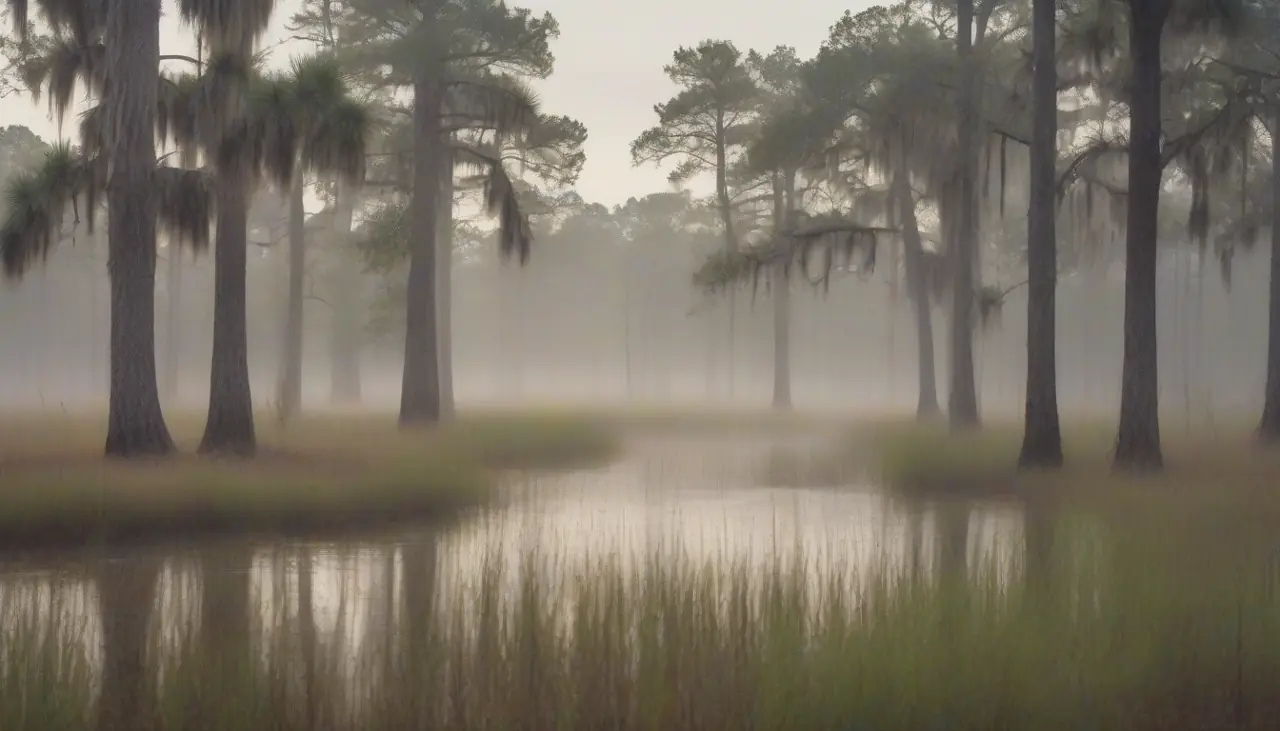
Houston is the largest city in Texas and the fourth-largest in the nation, with about 2.4 million residents in the 2025 Census estimates and a metro area that added roughly 127,000 people in a single year, the most of any U.S. metro. It is also one of the flattest, wettest and most flood-prone major cities in the country, and that single fact shapes almost every land decision here.
This guide explains how land sells in and around Houston, which rules and records matter, what is driving demand along the metro's growth routes, and how a direct cash sale compares with listing. You can get a free quote, book a call or schedule a visit at any point.
Houston land at a glance
Why Houston landowners choose a direct cash sale
Flood history changes buyer behavior
Houston-area buyers and lenders look hard at floodplain, past flooding and drainage. We review FEMA maps and your survey and price what is actually usable, instead of leaving you waiting on a buyer to find the problem.
No zoning means due diligence is different
Because the city has no zoning, buyers check deed restrictions, utility districts and nearby uses carefully. We handle that research so you do not have to explain it to every prospect.
Growth routes reward decisive sellers
Land along US 290, I-45, SH 249 and SH 99 can see rapid buyer interest. A direct sale lets you act when the right offer arrives.
How land sells in Houston
Land around Houston sells in several different markets. Inside the Beltway and the central city, parcels are infill lots and redevelopment sites, often with old structures, deed restrictions and sometimes unclear title. In the suburban ring, in Fort Bend, Brazoria and Harris counties, remaining tracts are mostly in utility districts and priced by how soon roads and utilities arrive. On the outer edge, in Waller, Montgomery, Liberty, Grimes and Chambers counties, farm and timber tracts are being bought by builders, industrial developers and investors.
The edges are where growth is fastest. Waller County, northwest of Houston along US 290, grew by about 5.7 percent in the latest Census year, among the highest in the state, and Montgomery and Liberty counties also grew more than 4 percent. Developers are planning communities of hundreds of homes on tracts of a few hundred acres, and industrial and logistics users follow the highways.
Land that is flood-prone, landlocked, in a utility district with heavy taxes or has unclear title is hard to sell on the retail market because buyers need financing and clean due diligence. Direct buyers can usually price those risks and move faster.
The decision between listing and a direct sale comes down to net proceeds and certainty. A well-marketed listing of an accessible, clean parcel may bring more, but you pay commission, wait for buyers and carry taxes. A direct sale trades some price for speed, certainty and no cost to you.
Land types in Houston and what drives their value
| Land type | What drives value | Who typically buys | Watch for |
|---|---|---|---|
| Growth-edge acreage (Waller, Montgomery, Liberty) | Highway access, utilities, drainage, subdivision potential | Housing developers, industrial users | MUD taxes, platting, floodplain |
| Infill and old subdivision lots | Deed restrictions, utilities, flood history, neighborhood sales | Builders, investors | Liens, unclear heirs, flooding |
| Flood-prone or detention-adjacent land | Buildable area, elevation, insurance cost | Investors, specialty users | Floodway, buyout programs, drainage easements |
| Piney Woods and timber tracts | Timber value, access, recreational use | Timber buyers, hunters, investors | Timber deeds, severed minerals, leases |
| Inherited or unprobated tracts | Clear title, agreement among heirs | Direct buyers, investors | Probate, multiple owners, back taxes |
Ready to talk about your Houston land?
Pick whichever is easiest. No cost, no obligation, no pressure.
Prefer to talk now? Call (512) 588-2771
Land areas around Houston
Northwest: US 290, Waller and Hempstead
One of the hottest growth corridors in the state. Farm and ranch land is being converted to planned communities, and county officials have projected rapid population growth over the coming years.
North: I-45, Montgomery County and Conroe
Pine and oak woods with a strong housing and industrial market. Land along I-45, SH 242 and the Grand Parkway is in steady demand.
West: Katy, Fulshear and Fort Bend County
Among the fastest-growing areas, with extensive utility districts and master-planned communities. Remaining acreage tends to be priced for development potential.
South and southeast: Pearland, Brazoria County and the coast
Flat coastal prairie with drainage and detention concerns. Land near the Gulf Coast has flood insurance and hurricane considerations.
East: Liberty, Chambers and the ship channel corridor
Industrial, petrochemical and agricultural land with pipelines and infrastructure easements. Rice and cattle land is increasingly mixed with development.
Rules and records every Houston seller should know

Houston is unique among major U.S. cities in having no zoning ordinance. Land use is controlled instead through deed restrictions, development ordinances (such as lot size and building lines) and utility district rules. A parcel may be perfectly legal to use for something but restricted by a deed from the 1960s, so buyers read deed records carefully, and so do we.
Flood control matters enormously. Harris County Flood Control District and local drainage districts manage channels and detention, and FEMA floodplain and floodway maps determine insurance and building rules. Subsidence from groundwater withdrawal has also led to regulation of well pumping in parts of the region. Utility districts (MUDs and similar) fund infrastructure through taxes that buyers weigh heavily.
Records are held by the Harris Central Appraisal District and the Harris County Clerk; neighboring counties have their own. Agricultural and timber valuations are common on rural tracts, and a change in use after a sale can trigger rollback tax for up to three prior years plus interest. We check every one of these before we make an offer.
Water, septic and utilities near Houston
Inside Houston, water and wastewater come from the city; in much of the metro, utility districts provide service, and these districts levy taxes that appear on property tax bills. Outlying tracts may use wells and septic, which on the Gulf Coast's heavy clay soils and high water table can require engineered designs.
Because the water table is shallow in many areas and drainage is slow, septic and foundation design are important cost items for buyers.
What is driving land demand around Houston
The Texas Triangle holds most of the state's population and economy, and Houston is its largest corner. Harris County added about 48,700 residents in the latest Census year, crossing five million, and Montgomery, Fort Bend and Waller counties all posted large gains. Waller County's population growth rate was second-highest in the state, and local officials project it could double in a decade.
The region's economy rests on energy, ports, health care, aerospace and manufacturing, and data-center development is also reaching the Gulf Coast. The state's new water fund, approved by voters in 2025 and starting in 2027, may also support water and flood-control projects that influence land values. Houston-area counties were not among the biggest Opportunity Zone 2.0 nominators in the early reports, but the final federal list is still pending.
These trends do not guarantee any parcel's price. Floodplain, utilities, drainage and title can outweigh growth, and we examine each tract individually.
See the bigger picture in our guides to the I-35 corridor and the Texas Triangle.
Common reasons Houston owners sell land
A farm tract in Waller County
A family owns a tract on US 290 and has been approached by several builders. They want one clear baseline offer.
A lot that flooded
An owner has a lot that flooded in a past storm and cannot find a retail buyer. We price the usable area and close.
Timber acreage held by heirs
Siblings inherited a Piney Woods tract with timber and minerals. We review the deed and coordinate signing.
An old infill lot with liens
Back taxes and city liens have accumulated. We buy as-is and pay them from proceeds.
What affects the value of Houston land
Flood status
FEMA maps and your own flood history matter. Land in the 100-year floodplain needs detention, fill and elevation work that adds cost.
Utilities
Water, sewer, electric and gas service available at the property line add value. A parcel that needs a long line extension is worth less.
Access
Paved road frontage and a recorded legal access beat an easement across a neighbor's land.
Deed restrictions
Restrictions can ban commercial use, limit lot size or require approval of plans. We read them before we price.
Surrounding uses
A tract next to a new subdivision is worth more than one next to a rail yard or a salvage yard, even at the same size.
Detention and drainage needs
Harris County regulations may require on-site detention for new development. That cost lowers what a builder can pay.
How do you sell inherited or estate land in Harris County?
Houston estate sales run through Harris County probate courts, which are statutory probate courts that handle wills and guardianships. A few key points can save you time.
Check for a will. Wills generally must be admitted to probate within four years of death in Texas. A will can be filed with the County Clerk.
Establish authority. An executor needs letters testamentary. Without a will, an administrator may be appointed, or heirs may use a determination of heirship.
Collect documents. Deed, tax statement, survey and the death certificate help the title company work faster.
Get agreement among heirs. All owners must consent to a sale, or a court can authorize it.
Close through a title company. Liens and back taxes are paid from the proceeds.
Many Houston families own land that was never formally transferred. A grandparent bought a lot decades ago and the deed still shows their name. Heirs may use an affidavit of heirship and a title company to clear this up, or a court may be needed. A Texas probate attorney can explain which path suits you, and we are happy to work alongside your attorney.
Not sure what you own? Send the address or the Harris County Appraisal District account number. We can see the owner of record, any open tax balance and recorded liens, so you know what the title company will ask before you spend money on legal fees.
How does Houston compare with nearby markets?
Houston is not one market but many. Inside the Beltway, small lots sell on neighborhood strength. Along the Grand Parkway, acreage sells on utilities and detention. North of the city, Conroe and Huntsville offer wooded acreage and growing demand along I-45. West of the city, Katy combines suburban growth with the last of the rice prairie. Northwest, College Station and Bryan bring a university economy.
Each has its own rules, taxes and buyers. A tract in Harris County may sell very differently from a tract of the same size in Walker County. We look at your parcel against its immediate neighbors, not the county average.
Who should you call locally before you sell Houston land?
Harris County has more overlapping agencies than most places in Texas. Knowing which one answers which question keeps you from guessing.
- Harris Central Appraisal District. Your tax account number lives here, along with the acreage, ownership and any exemptions on file. Look up the account before you do anything else.
- Harris County Clerk. Deed records, recorded easements and many estate filings are searchable through the clerk. If a deed still carries a deceased relative’s name, this is where you confirm that nothing has been recorded since.
- Harris County Tax Assessor-Collector. Request a payoff statement for any back taxes. Several taxing units can appear on one bill, including the county, a school district, a junior college and sometimes a utility district.
- Harris County Flood Control District. Its maps and watershed data show where channels, detention basins and regulatory floodways sit. A buyer will ask what you know about flooding, and these are the public sources.
- Harris County Engineering Department. For land outside any city, it handles permits, drainage review and road standards.
- City of Houston Planning and Development. Inside the city, this department administers platting, subdivision rules and the city’s building standards. Houston has no conventional zoning, so deed restrictions matter more than anywhere else.
- Harris-Galveston Subsidence District. Groundwater use and conversion to surface water are regulated here, which matters for land with an existing well.
If your parcel is in a municipal utility district, ask the district for its current tax rate and bond status. A buyer will want those numbers before making an offer.
How does the year run for Houston landowners?
The Gulf Coast calendar is shaped by weather more than by anything else.
January to March. Taxes are due January 31. Spring rains start to test drainage, and low spots show up quickly. A tract that stays wet in March tells a buyer what to expect in a hard rain.
April to May. Appraisal notices go out, and the protest deadline is usually May 15 or thirty days after the notice. Spring storms are common, so check any recent flood claims or high water marks on your land.
June to November. Hurricane season runs from June 1 to November 30. Some buyers pause during peak weeks in August and September, and some close quickly before a storm threatens the coast. Sellers should keep documents ready and avoid scheduling signings during a named storm.
After a major storm. Flood maps and insurance quotes can change quickly. If your land flooded, gather photos, elevation certificates and any repair records. Buyers value honesty here, and a clear record shortens negotiations.
October to December. Tax bills arrive, and many sellers decide to close before January. Industrial and logistics buyers sometimes finish year-end purchases to meet budget deadlines, so large tracts can see more interest in the last quarter.
A year-round factor is the Houston economy itself. Energy prices, port activity and hiring at the Medical Center move housing demand, and builders buy lots when they feel confident about the next twelve months.
How selling land to us works
Tell us about it
Share the location and a few details by form or phone. About a minute, no cost.
We research and make an offer
We check records, access, flood and utilities, then give you a written cash offer within 24 hours and explain the number.
You choose the date and get paid
A Texas title company handles the paperwork. You are paid at closing, usually 7 to 30 days out or on the date you choose.
Benefits of working with Sell My Texas Estate in Houston
No commissions or fees
You keep the full offer. We typically cover standard closing costs.
Buy as-is
No repairs, clearing, surveys or cleanup required to get an offer.
You pick the date
Close in 7 to 30 days, or on the date you choose.
We handle hard land
Back taxes, liens, no road access, heirs, minerals, floodplain.
Cash or flexible terms
Cash when it works, owner-financed or creative terms when the deal needs them.
Straight answers
If a listing would net you more, we will say so.
Local to Texas
We understand Harris County records, flood-control and drainage rules, and why Houston's lack of zoning makes deed restrictions and utility districts so important to land value.
Cash offer vs listing your Houston land
| Sell to us | List with an agent | Auction | |
|---|---|---|---|
| Commission and fees | None | Commonly 5 to 6%+ | Buyer's premium and fees |
| Time to close | 7 to 30 days, or your date | Often months on land | Weeks, on their schedule |
| Price certainty | Written offer up front | Depends on market | Unknown until bidding |
| How you get paid | Cash at closing, or owner-financed terms | Whatever the buyer can finance | Cash at the auction |
| Financing risk | None, cash | Buyer loan can fail | Usually cash |
| Repairs and cleanup | None | Often expected | As-is |
Details in our guides to selling land for cash, selling land fast and selling without a realtor.
Cash is simple. Some land needs more than that.
We buy for cash when that works. When a deal needs it, we get creative: owner-financed purchases, notes, partnerships and development.
Cash offer
A written offer within 24 hours. Closing typically takes 7 to 30 days, or on the date you choose. No commissions or fees.
Owner financing and notes
Want a down payment and payments over time? We can buy your land on owner-financed terms, and we can talk about buying an owner-financed note you hold.
Partnerships and entitlement
Land with development potential? We partner with landowners, buy entitled land and take properties through entitlement.
There is no one-size-fits-all land deal. Each one can have its own lenders, financials and offers, so contact us for details.
Tell us how you want to be paid How owner financing works → Investor? Register for deals →
Houston land selling: frequently asked questions
Can I sell land in Houston without a realtor?
Yes. We buy directly, a Texas title company handles the closing, and you pay no commission.
How fast can I close?
Often 7 to 30 days after you accept. You can also choose a later date.
Does Houston's lack of zoning change how land is sold?
Buyers rely on deed restrictions and development rules instead of zoning. We research them and price what the land can actually be used for.
Can you buy land that has flooded?
Yes. We review the history and FEMA maps, price the usable portion and explain how flooding affected the offer.
What about MUD or utility district taxes?
Those taxes raise the cost of owning the land and buyers weigh them. We include them in our pricing.
Do you buy land in Waller, Montgomery, Liberty and Fort Bend counties?
Yes. We buy across the Houston metro and along US 290, I-45, SH 249, SH 99 and I-10.
Can you buy inherited land without probate?
We need a legal way to sign, such as probate or an heirship determination. We coordinate with your attorney and the title company.
What if there are several heirs?
All owners generally need to agree and sign. We make one offer and the title company divides the proceeds.
Will I owe rollback tax?
If your land has an agricultural or timber valuation and use changes, up to three prior years plus interest can be billed. We explain who pays before you sign.
Can you buy land with back taxes or liens?
Yes. They are paid from your proceeds at closing and you receive the balance.
Is a cash offer lower than listing?
Usually, because of speed, certainty and no commission or repairs. We will tell you if listing would net more.
How do I get started?
Request a free quote, book a call or schedule a visit using the buttons on this page.
How much is my Houston land worth?
Value depends on flood status, utilities, access, restrictions and size. Send us the address or tax account number. We provide a written offer within 24 hours, with the reasoning behind it. For a formal opinion, you may also want an appraiser.
Do you buy land in a floodplain?
Often, yes. We price flood status honestly. Some buyers want floodplain land for agriculture, recreation or mitigation, and the price reflects the extra cost and limits.
Can you buy inherited Houston property with no probate yet?
We can start the conversation, but a sale requires legal authority. We work with your attorney and a title company to line up the paperwork so a sale can close once the court steps are done.
Do you charge commissions or fees?
No. We buy the land ourselves. There are no commissions or listing fees to you, and we explain who pays standard closing costs before you agree.
Nearby cities and counties we buy in
Pasadena, Pearland, San Antonio, Austin, Harris County, Waller County, Montgomery County, Fort Bend County, Liberty County, Brazoria County. Also see Harris County and all 254 Texas counties.
We are a direct property buyer, not a law firm, tax advisor or real estate brokerage. This guide is general information, not legal or tax advice. Population figures: U.S. Census Bureau Vintage 2025 estimates. Market figures are indicative and change.