

San Antonio is the second-largest city in Texas, with about 1.55 million residents in the 2025 Census estimates, and the center of a metro area that is merging with Austin's along the I-35 corridor. Its land market is less uniform than most people expect. A tract five miles north of Loop 1604 can sell to a builder for a subdivision, while a tract the same distance south may be brush country valued for hunting and minerals, and a tract in the northwest may be subject to aquifer rules that sharply limit what can be built.
This guide walks through how land really sells in and around San Antonio, the rules and records you should know about, what is driving demand, and how a direct cash sale compares with listing. You can request a free quote, book a call or schedule a visit at any point.
San Antonio land at a glance
Why San Antonio landowners choose a direct cash sale
Aquifer rules complicate retail sales
Land over the Edwards Aquifer recharge and contributing zones carries impervious-cover and water-quality limits. We read those rules up front and price the land accordingly, so you are not waiting on a buyer to discover them.
Family tracts are common
Many San Antonio-area ranches and lots are held by several heirs, sometimes without probate. A single clear offer and a coordinated closing helps everyone get to a decision.
Growth edges move fast
Land northeast along I-35, northwest toward Boerne and east toward Seguin has seen intense builder demand. A direct sale lets you act on a good offer without waiting months for the next one.
How land sells in San Antonio
San Antonio land trades in four rough zones. To the north and northeast, along US 281 and I-35 into Comal and Guadalupe counties, builders and developers compete for tracts of all sizes and growth has been rapid. To the northwest along I-10 toward Boerne, Hill Country terrain and aquifer rules make land more expensive and more regulated. East along I-10 toward Seguin, farmland and ranches are being converted to subdivisions and logistics projects. South and west, brush country and ranch land are valued mainly for hunting, ranching and long-term holding.
Buyers match these zones. Homebuilders and developers focus on the north and east where utilities are approaching. Industrial and logistics users look at I-10, I-35 and the southern part of the city near existing manufacturing. Ranch and hunting buyers focus on the south and west. Individuals seeking acreage with a view and some privacy shop north and northwest, where prices per acre can be high.
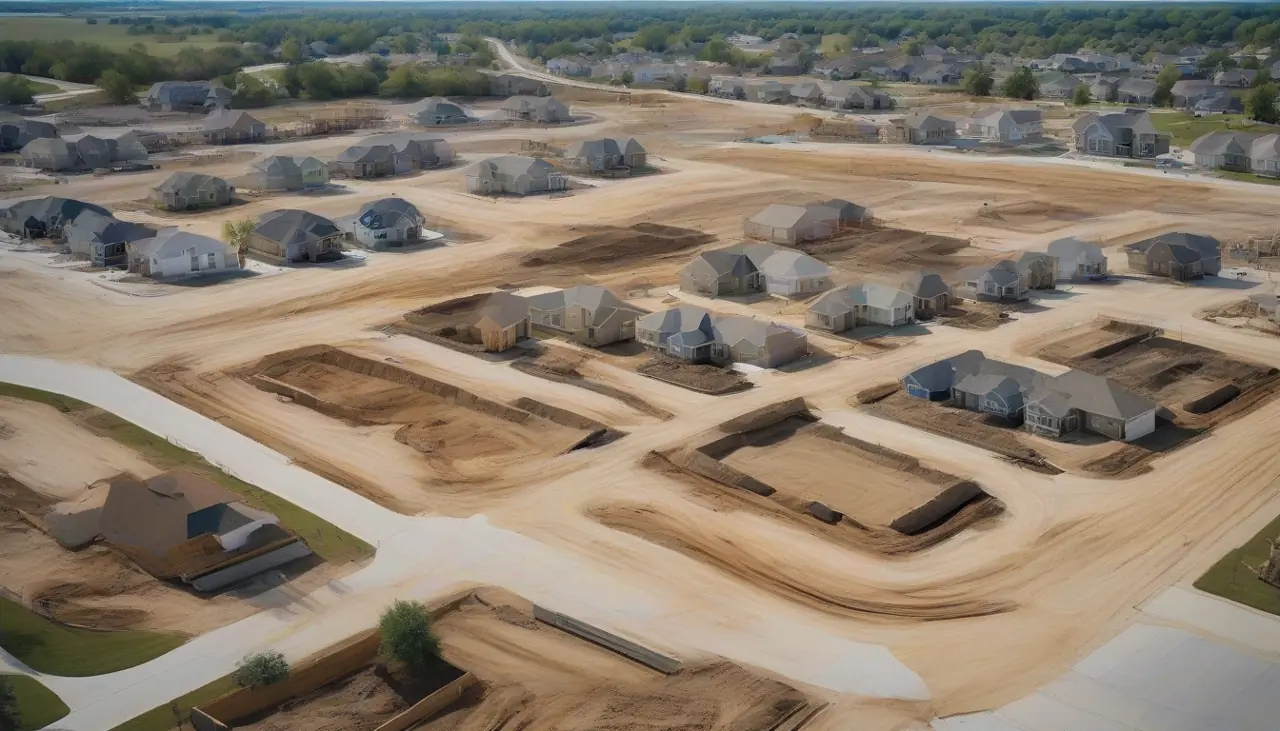
Land that is landlocked, floodplain-heavy, over the aquifer or carries unclear title is harder to sell to retail buyers who need financing. A direct buyer who can evaluate those issues quickly is often the best fit for such parcels.
As with any market, the choice between listing and a direct sale comes down to net proceeds and certainty. A well-marketed listing of a clean, accessible parcel may bring more, but you carry the taxes, wait for buyers and pay commissions. A direct sale trades some price for speed, certainty and no cost to you.
Land types in San Antonio and what drives their value
| Land type | What drives value | Who typically buys | Watch for |
|---|---|---|---|
| Hill Country edge acreage (north and northwest) | Views, slope, water, aquifer rules, road frontage | Custom builders, lifestyle buyers | Impervious cover limits, wells, access |
| Corridor tracts (I-35 NE, I-10 E) | Frontage, utilities, subdivision potential, floodplain | Builders, developers, logistics users | Platting rules, easements, MUD taxes |
| South Texas brush land | Hunting value, minerals, water, size | Ranchers, hunters, investors | Severed minerals, caliche roads, leases |
| Creek and river-adjacent land | Buildable area outside the floodplain, access | Investors, recreational buyers | Salado, Leon, Medina and Cibolo creek flooding |
| Inherited or unprobated tracts | Clear title, heirs' agreement, tax history | Direct buyers, investors | Multiple owners, estate authority, back taxes |
Ready to talk about your San Antonio land?
Pick whichever is easiest. No cost, no obligation, no pressure.
Prefer to talk now? Call (512) 588-2771
Land areas around San Antonio
North and northeast: Comal and Guadalupe edges
Along I-35 and US 281 toward New Braunfels, Schertz and Cibolo, land has been converted from ranch and farm to neighborhoods at one of the fastest rates in the state. Remaining tracts tend to be the awkward ones: odd shapes, creek frontage or limited access.
Northwest: toward Boerne and Kendall County
Rolling limestone hills and Hill Country ranchettes with high per-acre prices. Wells, septic and aquifer-related rules decide what can be built, and many tracts have old homes or barns.
East along I-10 toward Seguin
Farmland and ranches near the interstate see interest from industrial and housing developers. TxDOT has been planning improvements on the I-10 corridor, and land near interchanges draws attention.
South and southwest: Atascosa, Medina and Bexar brush country
Mesquite and live oak brush, caliche roads and larger tracts. Value turns on hunting, minerals, water and the size of the parcel. Many tracts are family-owned with informal boundaries.
West along US 90 and SH 151
Mixed ranchland and growing subdivisions, with industrial development near manufacturing and military-related employers. Access and utility extensions drive price.
Rules and records every San Antonio seller should know
Parts of Bexar County and neighboring counties sit over the Edwards Aquifer recharge and contributing zones, regulated in part by the Edwards Aquifer Authority and by local water-quality rules. These can limit impervious cover (the roofs, driveways and pavement on a lot) and affect permitting. We check whether a parcel is in these zones and price the limits.
Bexar County has a mix of city, ETJ and unincorporated land. Inside San Antonio, zoning and development standards apply; outside the city limits but within the ETJ, subdivision rules may still apply; and in unincorporated areas county platting and road rules govern splits. If you are thinking about dividing a tract, check before you do, because unapproved splits can create title problems.
Valuation and ownership records are held by the Bexar Appraisal District, and deeds, easements and liens by the Bexar County Clerk. Agricultural and wildlife valuations are common on rural tracts, and a change of use after a sale can trigger rollback tax for up to three prior years plus interest. Mineral rights, particularly south of the city in the Eagle Ford area, are often severed, so we check the chain of title.
Water, septic and utilities near San Antonio
Inside the city, water comes from the San Antonio Water System and electric service from CPS Energy. On the edges, service may come from water supply corporations, districts and special utility districts, while many rural tracts depend on wells. In the aquifer zones, wells and septic may need permits and engineering.
Septic suitability varies from the thin rocky soil of the Hill Country to the clay and caliche south of town. A soil evaluation can decide whether a tract is buildable, so buyers ask about it early and we do too.
What is driving land demand around San Antonio
San Antonio and Austin together added about 92,000 residents in the most recent Census year, and the 5.3-million-person Austin to San Antonio corridor is widely expected to continue merging. Comal County's population grew almost 28 percent between 2020 and 2025, and Guadalupe County about 16 percent, which has pushed builders toward remaining tracts in New Braunfels, Seguin and Schertz. TxDOT also has active I-10 projects in Guadalupe, Bexar and Kendall counties.
San Antonio's own growth is supported by employers in health care, the military, manufacturing and logistics, and by Port San Antonio. Southern Bexar County and Atascosa County also benefit from Eagle Ford Shale activity, which has recovered in 2026 according to industry reports. Bexar County nominated 34 tracts for the new Opportunity Zone 2.0 program, mostly inside Loop 410, though the final federal list is still pending.
As always, demand is local. Value depends on the specific tract's access, utilities, floodplain and title. We price each parcel on its facts and explain how we got there.
See the bigger picture in our guides to the I-35 corridor and the Texas Triangle.
Common reasons San Antonio owners sell land
A family ranch south of the city
Heirs live elsewhere and none wants to manage fences, leases and taxes. A direct sale with a clear mineral review gives them a clean split.
Aquifer-zone acreage in the north
An owner learns that impervious-cover limits cut what a builder can use. We price the realistic building area and close without waiting on studies.
A creek-side tract
Part of the land sits in a floodplain along a local creek. We price the usable ground and take the survey risk.
Land with back taxes and an old house
The house is beyond repair and taxes are overdue. We buy as-is and pay taxes from proceeds at closing.
What affects the value of San Antonio land
Edwards Aquifer status
Recharge-zone land has strict rules on impervious cover, which can shrink what a builder can do.
Road frontage
Paved access on a county or state road, with legal recorded rights, adds value.
Utilities
Water, wastewater and electric service at the property line help a developer, and every extra mile of line subtracts from the price.
Floodplain
Creeks and the Medina and San Antonio rivers carry flood zones that limit use.
Zoning and platting
Existing plats, zoning and entitlements increase what buyers pay.
Brush, terrain and soils
South Texas brush clearing costs money, and hilly northern tracts cost more to grade.
How do you sell inherited or estate land in Bexar County?
San Antonio estates are handled by Bexar County's statutory probate courts. Here is the usual order.
Locate the will. Texas generally allows four years from the date of death to probate a will.
Obtain legal authority. An executor needs letters testamentary. Without a will, heirs may need an administrator or a determination of heirship.
Gather property records. Deed, tax statement, survey and the death certificate.
Reach agreement among heirs. All co-owners must agree, or a court must authorize the sale.
Close through a title company. Taxes and liens are paid at closing, and proceeds go to the estate.
Many San Antonio families hold land that was handed down informally. A deed may name a great-grandparent, and no one probated the estate. Title companies often ask for a determination of heirship or an affidavit before they will insure a sale. A Texas attorney can walk you through it. If your family agrees, we can buy the entire tract at once.
What property tax rules affect San Antonio land sales?
The Bexar Appraisal District sets values, and taxing units such as the county, school districts and the city set rates. Three issues come up often.
Agricultural valuation. Land used for grazing, hay or wildlife management can carry an open-space valuation, which cuts the tax bill. If use changes after a sale, rollback taxes can apply for the previous three years, with interest. Settle who pays before closing.
Back taxes. Unpaid taxes bring penalties and interest. We can buy land with delinquent balances and pay them from the proceeds.
Capital gains. Inherited land often receives a stepped-up basis at death, which can reduce gain on a prompt sale. Confirm with a CPA.
How do cash offers compare with listing or auction?
How does San Antonio compare with nearby markets?
San Antonio blends urban, suburban and ranch land in one county. To the northeast, New Braunfels and Seguin show how I-35 and I-10 growth pushes outward, with farmland turning into homes. To the north, San Marcos and Kyle share the I-35 corridor and the aquifer story. To the south, Laredo sits at the border end of I-35 with a trade-driven market.
Land that looks similar on a map can sell very differently. An acre over the aquifer north of the city costs more to develop than an acre on the south side, but it can also draw higher prices from custom-home buyers. We look at your parcel against its immediate neighbors, not the county average.
Who should you call locally before you sell San Antonio land?
Bexar County sellers deal with a mix of county, city and utility offices. These are the ones that matter most.
- Bexar Appraisal District. It shows the account, acreage, valuation and any agricultural or wildlife management status. If the land has a wildlife valuation, ask what records the district holds so you can answer a buyer’s questions.
- Bexar County Clerk. Deed records, easements and many probate filings are here. The clerk’s records show whether a lien, a lis pendens or an old oil and gas lease has been recorded.
- Bexar County Tax Assessor-Collector. Ask for a written payoff figure that includes every taxing unit on your parcel.
- San Antonio Water System and CPS Energy. SAWS provides water and wastewater service across much of the city, and CPS Energy provides electricity and gas. Ask each how far service sits from your property line and what extension would cost. Those two answers shape a builder’s offer more than almost anything else.
- Edwards Aquifer Authority. If your land lies over the recharge or contributing zone, this authority and the Texas Commission on Environmental Quality set rules that affect what can be built. Confirm your parcel’s status in writing.
- San Antonio River Authority. It tracks watersheds and floodplain studies across the county, which helps when a creek crosses your land.
- City of San Antonio Development Services. Ask whether the land is inside the city limits or its extraterritorial jurisdiction, and what that means for platting and permits.
If the land is outside the city, the county’s floodplain administrator can answer building and drainage questions for unincorporated areas.
How does the year run for San Antonio landowners?
South Texas has its own timing, and it affects both the land and the buyers.
January to March. Taxes are due January 31. Cooler weather is the best time to walk brush country, because snakes are quieter and views through the mesquite open up. Spring wildflowers appear along the Hill Country edge in March and April.
April to June. Appraisal notices arrive, with a protest deadline usually of May 15 or thirty days after the notice. Fiesta season in April fills the city’s calendar, and some sellers prefer to schedule signings before or after. Builders start new projects in spring, and lot demand in northeast Bexar County and Guadalupe County tends to rise.
July to September. Summer is hot and dry. Brush looks thick and green after rain and brown after drought, so a buyer’s first look can be misleading. Provide recent photographs if you have them. Military families relocating to and from Joint Base San Antonio often move in summer, which affects rental and lot demand near the bases.
October to December. Tax statements arrive. Hunting season brings recreation buyers to ranch tracts in Atascosa, Wilson and Medina counties, and some leases end in January, so closings on leased land often follow the lease calendar.
Aquifer conditions. Stage restrictions on the Edwards Aquifer can change as water levels move. They do not stop a sale, but they influence development timing and what a builder is willing to commit to in a dry year.
How selling land to us works
Tell us about it
Share the location and a few details by form or phone. About a minute, no cost.
We research and make an offer
We check records, access, flood and utilities, then give you a written cash offer within 24 hours and explain the number.
You choose the date and get paid
A Texas title company handles the paperwork. You are paid at closing, usually 7 to 30 days out or on the date you choose.
Benefits of working with Sell My Texas Estate in San Antonio
No commissions or fees
You keep the full offer. We typically cover standard closing costs.
Buy as-is
No repairs, clearing, surveys or cleanup required to get an offer.
You pick the date
Close in 7 to 30 days, or on the date you choose.
We handle hard land
Back taxes, liens, no road access, heirs, minerals, floodplain.
Cash or flexible terms
Cash when it works, owner-financed or creative terms when the deal needs them.
Straight answers
If a listing would net you more, we will say so.
Local to Texas
We understand Edwards Aquifer rules, Bexar County records and how builders and ranch buyers price land north, east, south and west of the city differently.
Cash offer vs listing your San Antonio land
| Sell to us | List with an agent | Auction | |
|---|---|---|---|
| Commission and fees | None | Commonly 5 to 6%+ | Buyer's premium and fees |
| Time to close | 7 to 30 days, or your date | Often months on land | Weeks, on their schedule |
| Price certainty | Written offer up front | Depends on market | Unknown until bidding |
| How you get paid | Cash at closing, or owner-financed terms | Whatever the buyer can finance | Cash at the auction |
| Financing risk | None, cash | Buyer loan can fail | Usually cash |
| Repairs and cleanup | None | Often expected | As-is |
Details in our guides to selling land for cash, selling land fast and selling without a realtor.
Cash is simple. Some land needs more than that.
We buy for cash when that works. When a deal needs it, we get creative: owner-financed purchases, notes, partnerships and development.
Cash offer
A written offer within 24 hours. Closing typically takes 7 to 30 days, or on the date you choose. No commissions or fees.
Owner financing and notes
Want a down payment and payments over time? We can buy your land on owner-financed terms, and we can talk about buying an owner-financed note you hold.
Partnerships and entitlement
Land with development potential? We partner with landowners, buy entitled land and take properties through entitlement.
There is no one-size-fits-all land deal. Each one can have its own lenders, financials and offers, so contact us for details.
Tell us how you want to be paid How owner financing works → Investor? Register for deals →
San Antonio land selling: frequently asked questions
How do I sell land in San Antonio without a realtor?
You can sell directly to a cash buyer like us. We make a written offer, a Texas title company handles the contract, title work and closing, and you pay no commission. You choose the closing date.
How fast can I close?
Often in 7 to 30 days after you accept, once the title company confirms ownership and any payoffs. We can also schedule a later closing.
Does the Edwards Aquifer affect my land's price?
If your land is in the recharge or contributing zone, impervious-cover and water-quality rules can limit building, which buyers consider. We check the zone and reflect it in the offer.
Do you buy land south and west of San Antonio?
Yes. We buy brush-country ranches and rural tracts in Bexar, Atascosa, Medina, Wilson and surrounding counties, and we check minerals and leases.
What about mineral rights?
We check whether minerals have been severed. We can buy surface only so you keep your minerals and royalties if you wish, or buy both; the contract states what transfers.
Can you buy inherited land that has not been probated?
Yes, once the person signing has legal authority. We work with your probate attorney and the title company, and can sign a contract that closes when the court paperwork is ready.
What if there are several heirs?
All owners generally need to agree and sign. We make one clear offer and coordinate the signing; the title company divides proceeds as you direct.
Will I owe rollback tax?
If your land has an agricultural or wildlife valuation and its use changes, taxing units can bill additional tax for up to three prior years plus interest. We explain who pays under the contract before you sign.
Can you buy land with liens or back taxes?
Yes. The title company pays recorded liens and delinquent taxes from your proceeds at closing and sends you the remainder.
Do you buy land in New Braunfels, Seguin and Boerne too?
Yes. We buy throughout the San Antonio metro and the I-35, I-10 and US 281 corridors.
Is a cash offer lower than listing?
Usually, because you get speed, certainty and no commission or repairs. If your parcel is clean and in a hot corridor, listing may net more, and we will say so.
How do I get started?
Request a free quote, book a call or schedule a visit using the buttons on this page. There is no cost or obligation.
How much is my San Antonio land worth?
It depends on aquifer status, utilities, access, floodplain, zoning and size. Send the address or tax account number. We give you a written offer within 24 hours with the reasoning behind it.
Can I sell inherited land if the probate is not finished?
A sale needs legal authority, such as letters testamentary. We coordinate with your attorney and a title company so a sale can close once the court steps are complete.
Will you buy small lots in San Antonio neighborhoods?
Yes. We buy infill lots, including inherited ones and lots with code issues.
What if family members live out of state?
That is common. Documents can be signed by mail or remote notary. The title company handles the details.
Nearby cities and counties we buy in
Austin, Laredo, Corpus Christi, Bexar County, Comal County, Guadalupe County, New Braunfels, Kyle, Buda. Also see Bexar County and all 254 Texas counties.
We are a direct property buyer, not a law firm, tax advisor or real estate brokerage. This guide is general information, not legal or tax advice. Population figures: U.S. Census Bureau Vintage 2025 estimates. Market figures are indicative and change.