
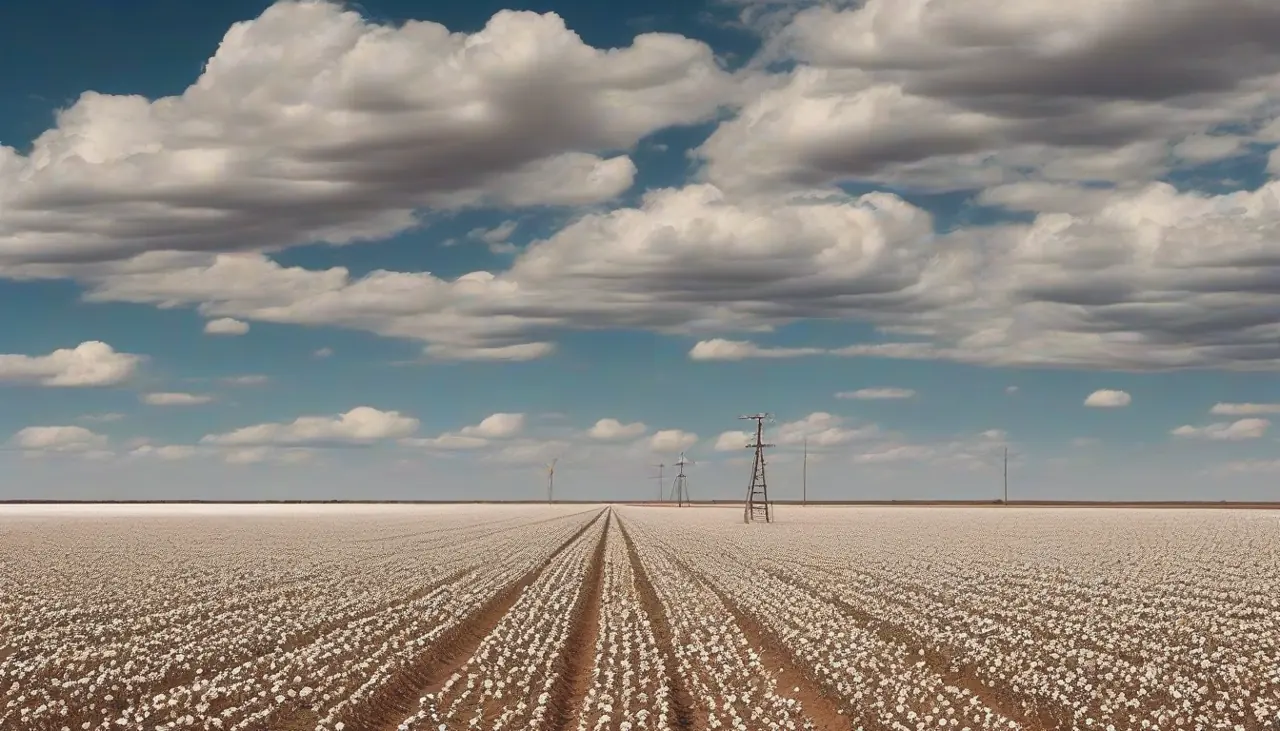
Lubbock sits on the flat, wide High Plains of West Texas, about 330 miles west of Dallas. The area is one of the largest cotton-producing regions in the country, and grain, sorghum and cattle add to the farm economy. Texas Tech University, a major medical center and the city’s role as a regional hub give the local economy a base beyond agriculture.
We buy land in Lubbock and across Lubbock County and the surrounding High Plains directly, for cash. You receive a written offer, a clear explanation of how we priced it and a closing date you control. If you inherited a farm, hold ground you no longer work or want a faster route than a listing, we can help.
Lubbock land at a glance
Why do Lubbock landowners sell directly?
Heirs who do not farm
A parent or grandparent worked the land for decades. The children live in Dallas, Austin or Denver and have no use for it.
Aging operators
Farmers who wish to retire often want a clean sale rather than a lease or a long listing.
Rising costs and changing water
Irrigation costs, equipment and taxes press on small operations.
Slow listings
Farm tracts can sit on the market for months, and some listing brokers focus on larger operations.
We will tell you when another route could pay more. A farm adjoining an active buyer’s operation may sell to that neighbor at a premium. A direct sale suits owners who want certainty, speed and a quiet process.
How does the Lubbock land market work?
Lubbock is the seat of Lubbock County and the largest city for hundreds of miles. I-27 links it to Amarillo to the north. US 62, US 82 and US 84 run east and west. Loop 289 circles the city. Surrounding towns include Wolfforth, Shallowater, Idalou, Slaton, Ransom Canyon and Abernathy.
Land in the area falls into a few distinct types.
Irrigated farmland. Fields with wells drawing from the Ogallala Aquifer produce cotton, corn and other crops. Well capacity, water quality and irrigation equipment drive value.
Dryland farmland. Fields without irrigation rely on rain. These tracts sell for less than irrigated ground but can be productive in good years.
Pasture and grass. Grazing land sells to ranchers and investors.
City edge and development land. Lubbock has grown southwest and south toward Wolfforth, and tracts near new subdivisions attract builders.
Energy leases. Wind farms, oil and gas leases and pipeline easements appear across the region and affect value.
What matters most to a Lubbock seller:
- Water. The High Plains Underground Water Conservation District regulates wells. Water rights and well production matter to buyers.
- Soil and field condition. Productive soils and good drainage raise farm value.
- Access and road type. County or farm-to-market road frontage affects use.
- Leases. Existing farm leases, wind leases and mineral leases need review.
What affects the value of High Plains land?
Irrigation water
Wells with strong production and good water quality raise value. Declining water levels or poor wells reduce it.
Soil type and productivity
Soil maps and crop history help buyers estimate returns.
Farm program history
Base acres and crop insurance history matter to some buyers.
Equipment and infrastructure
Pivots, wells, fences and storage add value if in good condition.
Distance to gins, elevators and markets
Short hauls save money.
Minerals and wind
Existing leases and royalties can add income or add complexity.

Where around Lubbock is demand strongest?
South and southwest toward Wolfforth. City growth is moving in this direction, and tracts near new subdivisions draw builders.
East toward Idalou and Slaton. Farms in this area draw buyers who farm and invest.
North toward Shallowater and Abernathy. Irrigated farmland draws agricultural buyers.
Loop 289 and the city edge. Parcels near the loop and major roads draw commercial and industrial interest.
Infill neighborhoods. Small lots near Texas Tech and in older neighborhoods draw builders of homes and student housing.
How do you sell inherited farmland in Lubbock County?
Lubbock County has a county court at law that handles probate. A typical sale follows these steps.
- Locate the will. A will generally must be probated within four years of death in Texas. Without one, heirs may use a determination of heirship.
- Obtain legal authority. An executor needs letters testamentary. An administrator may be appointed if there is no will.
- Collect the paperwork. Deed, tax statement, farm leases, well records and death certificate.
- Align the heirs. All owners must agree or a court must authorize the sale.
- Close through a title company. Taxes and liens are paid at closing.
Farm families often hold land across generations with several heirs. Some of the heirs may farm it while others do not. Disagreements are common. A Texas attorney can explain options, including a partition or a buyout. If the family reaches agreement to sell, we can buy the entire tract in a single transaction and divide proceeds among heirs.
Do you have a farm lease in place? Send us a copy. A tenant's rights can survive a sale, and the lease terms affect price. We help you handle it properly.
Ready to talk about your Lubbock land?
Pick whichever is easiest. No cost, no obligation, no pressure.
Prefer to talk now? Call (512) 588-2771
What taxes and exemptions apply to High Plains land?
The Lubbock Central Appraisal District sets values. Unpaid taxes add penalties and interest.
Agricultural valuation. Farmland and pasture generally carry an open-space valuation based on productive value. If use changes after a sale, rollback taxes for the previous three years plus interest can apply. A buyer who plans to farm will not trigger them. A buyer who plans to subdivide may. Settle who pays before closing.
Back taxes. We can buy land with delinquent balances and pay them at closing from the proceeds.
Capital gains. Inherited farmland often receives a stepped-up basis, which can reduce gain on a prompt sale. Farm sellers should also talk with a CPA about installment sales and like-kind exchange options.
How do water and wind leases affect a farm sale?
On the High Plains, water and wind are assets that can transfer or stay behind in a sale.
- Groundwater rights. In Texas, groundwater generally belongs to the surface owner unless separated. Conservation districts regulate how wells are drilled and produced.
- Irrigation wells. Production, pump condition and permits affect value.
- Wind leases. Existing leases may continue after a sale and provide steady income. Some buyers value them, and some see them as a limit.
- Oil and gas leases. Minerals may be severed, and some tracts have pumpjacks or tank batteries.
- Pipeline and transmission easements. These limit where a buyer can build.
If you hold leases, send them to us. We read them and explain how each one affects the price.
What mistakes should Lubbock landowners avoid?
- Assuming water is guaranteed. Check well records and district rules.
- Selling minerals or groundwater by accident. Reserve what you want to keep in writing.
- Ignoring tenant rights. A farm lease can bind a buyer.
- Skipping a survey. Old descriptions can be wrong.
- Letting an estate drift. Taxes and insurance continue.
- Taking the first offer. Compare and ask each buyer how they priced the land.
An illustrative Lubbock sale, step by step
The following is a composite example built to show the process. It is not a real client, and the details are invented.
Imagine two sisters who inherit 160 acres of irrigated cotton land east of Lubbock. Their father farmed it for forty years. A neighbor has rented it for the last three seasons. The center-pivot system is old, one well has been losing production and a wind company holds a small lease on the northeast corner. Neither sister lives in Texas anymore.
They send the legal description, the lease, the well records and a recent tax statement. We review them and explain how we valued the land: the irrigated acres at one level, the weaker well at a discount, the dryland corner separately and the wind lease as a small income stream that some buyers will like and others will not. We make a written offer and explain that the tenant has rights through the end of the current crop year.
The sisters talk with their CPA about the stepped-up basis and with an attorney about the lease. They choose a closing date after harvest so the tenant can finish the year. The title company finds a pipeline easement and a utility easement, both recorded decades ago, and the sisters learn about them before they sign.
The lesson: a farm sale is easier when someone reads the lease, the well records and the easements together.
What could change land values around Lubbock in the next few years?
No one can predict values with certainty. These developments tend to move High Plains land and are worth watching.
- Water levels and regulation. Ogallala Aquifer declines and conservation district rules affect irrigated land.
- Commodity prices. Cotton, corn and sorghum prices drive farm income and land demand.
- Wind and solar development. Lease terms and transmission build-out affect nearby land.
- City growth. Lubbock’s expansion southwest changes the value of land on the city edge.
- Highway and rail projects. I-27 and rail improvements change logistics options.
- Interest rates. Higher borrowing costs slow buyers and soften land prices.
If any of these touch your parcel, tell us. We factor them into the number and explain the reasoning.
How does Lubbock compare with nearby markets?
Lubbock is a farm and regional-hub market, and its closest comparisons are other agricultural areas. Waco and Waxahachie have blackland farmland near growing metros. El Paso shares West Texas distance and water questions but a very different economy. Fort Worth, about 300 miles east, is a much more urban market.
On the High Plains, water is the key difference. Two quarter-sections can differ by multiples depending on the wells beneath them. We look at your parcel against its immediate neighbors, not the county average.
What situations do we see most often around Lubbock?
- Heirs who live in the cities and never farmed. They want a clean sale of the family farm.
- Retiring farmers. They want to stop farming without a long listing.
- Dryland tracts that cost more than they return. Taxes and upkeep exceed income.
- Farms with failing wells. Production has dropped, and the owner worries about value.
- Land leased to wind developers. The owner wants to know how the lease affects a sale.
If your situation looks like one of these, you are not alone, and we have likely seen it.
Who should you call locally before you sell Lubbock land?
Farm sales involve water, leases and tax rules. These offices can answer the first questions a buyer will ask.
- Lubbock Central Appraisal District. Look up the account and any open-space valuation on file. For farmland, the district’s soil and land-use classifications give you a quick way to see how the land is being valued.
- Lubbock County Clerk. Deed records, easements, wind leases and oil and gas leases are recorded here. Search the records for anything that burdens the land.
- Lubbock County Tax Office. Ask for a payoff statement for taxes.
- High Plains Underground Water Conservation District No. 1. This district, based in Lubbock, regulates groundwater wells across the region. It holds well registrations, spacing rules and production data, and a buyer will want to see them.
- USDA Farm Service Agency, Lubbock County office. Ask about farm numbers, base acres and any program contracts tied to the land.
- Local crop insurance agent or lender. Yield history and insurance records help prove productivity.
- Wind or utility company, if a lease exists. Ask for a copy of the current lease and any amendments, as well as contact information for the land agent.
If you plan to subdivide a farm for sale, ask the county or city about platting requirements well before listing the pieces.
How does the year run for Lubbock landowners?
Farm country follows the crop calendar, and a farm sale works best when it respects it.
January to March. Taxes are due January 31. Fields are bare, and soil and fence conditions are easy to see. Many farm sales are negotiated in winter so the new owner can plan spring planting.
April to June. Planting happens in spring, with cotton usually going in during late April and May. Appraisal notices arrive, and the protest deadline is May 15 or thirty days after the notice. Wind is a constant, and spring dust storms can affect visibility and fields.
July to September. Irrigation is in full swing. A buyer can see how the wells perform and how the pivots cover the field. This is the best time to document pump tests and well flow. Hail storms and heat can damage crops, so confirm insurance and claims before a sale.
October to December. Harvest runs through fall. Closings on leased or cropped land often follow the harvest, so the tenant or the owner gets the crop. Many farm sales close in November or December, which also lets sellers settle taxes in a single year. Tax bills arrive in October or November.
Commodity prices. Cotton, corn and sorghum prices influence farm income and land demand. A strong year raises buyer confidence, and a weak year makes buyers cautious.
Water levels. Declining aquifer levels in some areas affect irrigated land value. Keep production records, because buyers pay for proven wells.
Land we buy near Lubbock
How selling land to us works
Tell us about it
Share the location and a few details by form or phone. About a minute, no cost.
We research and make an offer
We check records, access, flood and utilities, then give you a written cash offer within 24 hours and explain the number.
You choose the date and get paid
A Texas title company handles the paperwork. You are paid at closing, usually 7 to 30 days out or on the date you choose.
Benefits of working with Sell My Texas Estate in Lubbock
No commissions or fees
You keep the full offer. We typically cover standard closing costs.
Buy as-is
No repairs, clearing, surveys or cleanup required to get an offer.
You pick the date
Close in 7 to 30 days, or on the date you choose.
We handle hard land
Back taxes, liens, no road access, heirs, minerals, floodplain.
Cash or flexible terms
Cash when it works, owner-financed or creative terms when the deal needs them.
Straight answers
If a listing would net you more, we will say so.
Local to Texas
We know Lubbock County records, local utilities and how builders and investors price land around Lubbock.
Cash offer vs listing your Lubbock land
| Sell to us | List with an agent | Auction | |
|---|---|---|---|
| Commission and fees | None | Commonly 5 to 6%+ | Buyer's premium and fees |
| Time to close | 7 to 30 days, or your date | Often months on land | Weeks, on their schedule |
| Price certainty | Written offer up front | Depends on market | Unknown until bidding |
| How you get paid | Cash at closing, or owner-financed terms | Whatever the buyer can finance | Cash at the auction |
| Financing risk | None, cash | Buyer loan can fail | Usually cash |
| Repairs and cleanup | None | Often expected | As-is |
Details in our guides to selling land for cash, selling land fast and selling without a realtor.
Cash is simple. Some land needs more than that.
We buy for cash when that works. When a deal needs it, we get creative: owner-financed purchases, notes, partnerships and development.
Cash offer
A written offer within 24 hours. Closing typically takes 7 to 30 days, or on the date you choose. No commissions or fees.
Owner financing and notes
Want a down payment and payments over time? We can buy your land on owner-financed terms, and we can talk about buying an owner-financed note you hold.
Partnerships and entitlement
Land with development potential? We partner with landowners, buy entitled land and take properties through entitlement.
There is no one-size-fits-all land deal. Each one can have its own lenders, financials and offers, so contact us for details.
Tell us how you want to be paid How owner financing works → Investor? Register for deals →
Lubbock land selling: frequently asked questions
How much is my Lubbock farmland worth?
Water, soil, access, leases and size drive value. Send the location or tax account number and we give you a written offer within 24 hours with the reasoning behind it.
Do you buy dryland farms?
Yes. We buy irrigated, dryland and pasture tracts across the High Plains.
Do you buy land with wind or oil leases?
Yes. We review each lease and price the effect honestly.
Can you buy land with a farm tenant?
Yes. A lease may continue after a sale. We review the terms with you.
What if some heirs want to keep farming?
All owners must agree or a court must authorize a sale. A Texas attorney can explain buyout and partition options.
Do you buy small town lots near Lubbock?
Yes. We buy lots in Wolfforth, Shallowater, Idalou, Slaton and nearby towns.
Do you buy land when a tenant has a crop in the ground?
Yes. We can close after harvest, or arrange for the tenant to finish the season. We review the lease with you.
Does the well matter if I sell dryland?
Not for the dryland itself, but a well can still affect the value of an irrigated portion of the tract.
Can I sell the land and keep my groundwater rights?
Possibly. Texas law treats groundwater as part of the surface estate unless it is separated. A deed must reserve any rights you want to keep. Ask an attorney to review it.
What if my farm has pipelines or a wind lease?
They affect value but do not stop a sale. Send us the recorded documents and we explain the effect.
Nearby cities and counties we buy in
El Paso, Waco, Dallas, Fort Worth, Laredo, Corpus Christi. Also see Lubbock County and all 254 Texas counties.
We are a direct property buyer, not a law firm, tax advisor or real estate brokerage. This guide is general information, not legal or tax advice. Population figures: U.S. Census Bureau Vintage 2025 estimates. Market figures are indicative and change.