
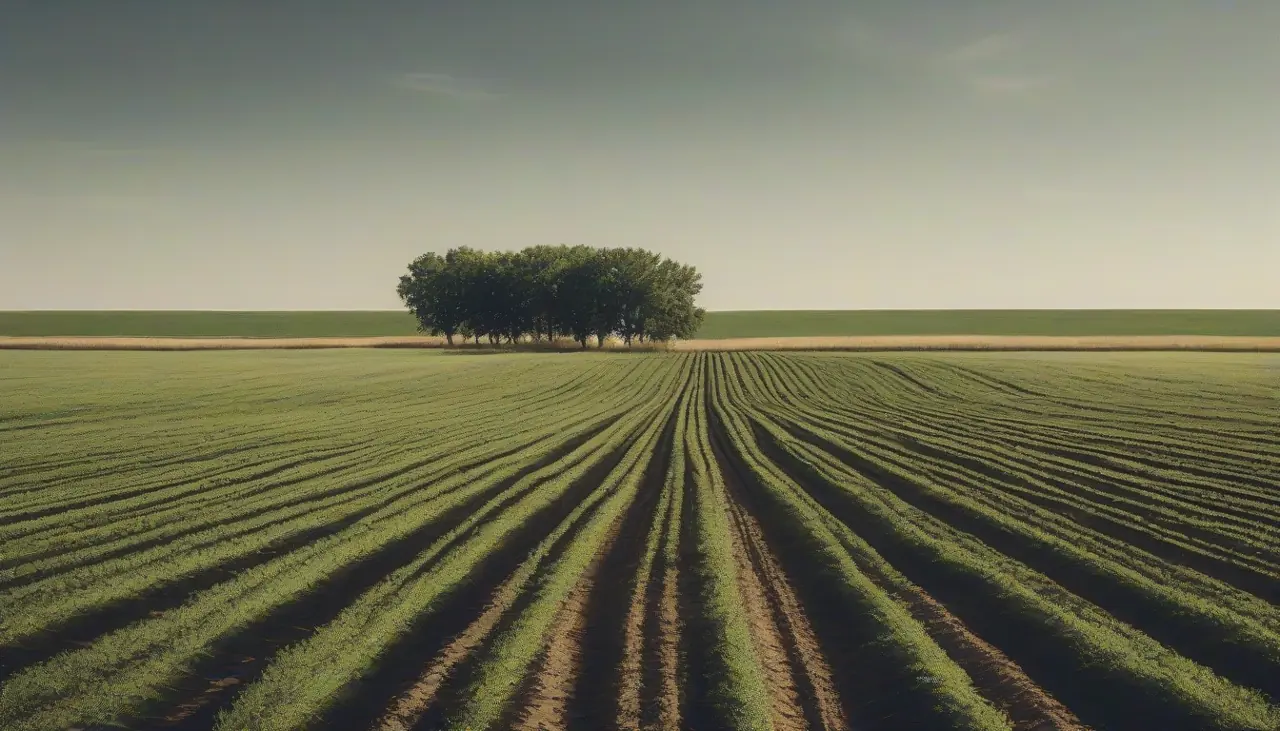
Dallas is the third-largest city in Texas, with about 1.33 million residents in the 2025 Census estimates, and the heart of a metroplex of more than nine million people. Within the city limits, most remaining land is infill: individual lots in older neighborhoods, parcels near rail and industrial areas, and low-lying land near the Trinity River. The big acreage is outside the city, in Collin, Denton, Kaufman, Rockwall, Ellis and Hunt counties, where farmland is being converted to subdivisions and industrial parks.
Interestingly, Dallas County itself lost population in the most recent estimates while surrounding counties grew rapidly, which is why land strategy in North Texas depends on exactly where a tract sits. This guide explains how land sells in and around Dallas, which rules matter and how a direct sale compares with listing. You can get a free quote, book a call or schedule a visit at any point.
Dallas land at a glance
Why Dallas landowners choose a direct cash sale
Old lots carry old problems
Many Dallas infill lots, especially in southern and older neighborhoods, have unpaid taxes, mowing or demolition liens, or unclear heirs. We buy as-is and clear liens from your proceeds.
Family ownership is common
Lots passed down informally often have several owners with no probate. A single offer and a coordinated closing with the title company helps everyone settle.
Speed beats uncertainty
Holding vacant land costs taxes and attracts dumping and code notices. A direct sale ends those costs on a date you choose.
How land sells in Dallas
Within Dallas, buyers fall into a few groups. Small builders and investors buy infill lots where zoning allows new homes and where title is clean. Industrial and logistics users look at parcels near rail, highways and the southern Dallas inland port area. Developers assemble blocks of older lots where redevelopment is likely. Outside the city, in the surrounding counties, buyers are housing developers, logistics firms, data-center builders and investors positioned for growth.
The surrounding counties are where the biggest changes are happening. Collin County added nearly 43,000 residents in the most recent Census year, Kaufman County is among the fastest-growing counties in the nation, and Ellis County has seen utilities and developers buy farmland ahead of growth. Tracts in these counties often sell to builders for subdivisions or to industrial users along I-35E, US 75, I-20 and I-45.
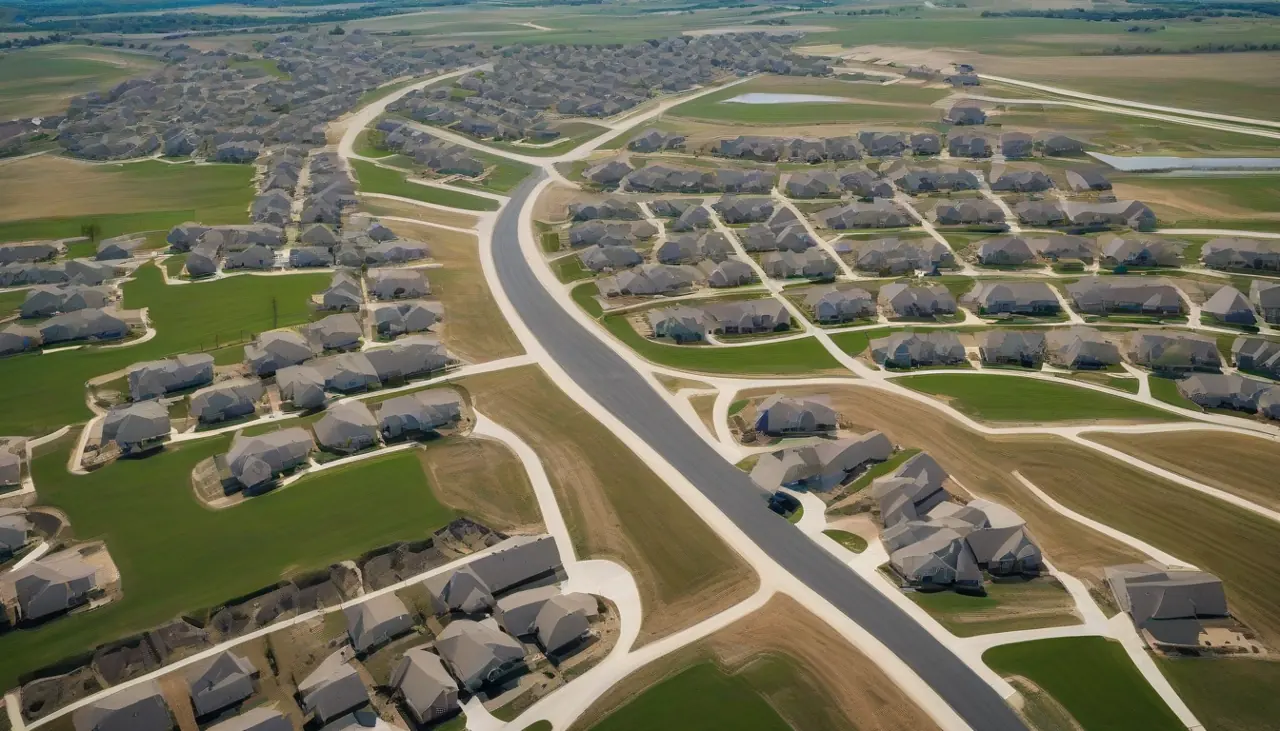
Parcels with unresolved title, liens or irregular shapes can be hard for retail buyers. A direct buyer can often close faster because it can evaluate and absorb those issues.
As always, comparing a listing with a direct sale means comparing net proceeds and certainty, not just price. If a parcel is clean and in a hot location, a listing may be worth testing. If it has issues or you need a firm date, a direct sale often wins.
Land types in Dallas and what drives their value
| Land type | What drives value | Who typically buys | Watch for |
|---|---|---|---|
| Southern Dallas infill lots | Zoning, utilities, neighborhood sales, title status | Small builders, investors | Liens, unpaid taxes, unclear heirs |
| Industrial-edge parcels | Rail, highway and power access, zoning | Logistics users, developers | Environmental history, easements |
| Trinity River bottomland | Buildable area outside floodplain, access | Investors, specialty users | Floodway, drainage, limited use |
| Farm tracts in surrounding counties | Frontage, utilities, subdivision potential | Housing developers, logistics firms | Platting, MUD taxes, easements |
| Inherited or unprobated lots | Clear title, agreement among heirs | Direct buyers, investors | Probate, multiple owners, back taxes |
Ready to talk about your Dallas land?
Pick whichever is easiest. No cost, no obligation, no pressure.
Prefer to talk now? Call (512) 588-2771
Land areas around Dallas
Southern Dallas and the inland port area
A mix of infill lots and larger industrial-edge parcels near rail and highways. Redevelopment interest is growing, but titles can be unclear and liens common.
East Dallas, Mesquite and Garland edges
Older neighborhoods and remaining acreage near I-30 and I-635. Infill lots dominate, with some larger tracts toward Rockwall and Kaufman counties.
North Dallas, Plano and Collin County
Mostly built out, with the biggest remaining acreage further north in Collin County near Celina, Prosper and Anna, where growth has been among the fastest in the country.
West Dallas, Irving and Grand Prairie edges
Industrial and logistics land near airports and highways, plus older residential lots. Parcels near warehouse districts are of interest to industrial buyers.
South along I-35E and I-45: Ellis and Navarro counties
Farmland being converted to subdivisions, logistics parks and utility sites. Interstate widening continues in Ellis County.
Rules and records every Dallas seller should know

Dallas has zoning and development standards, a long-running code-enforcement program and a process for liens on vacant lots with unmaintained grass or structures. Unpaid mowing and demolition liens are common on older lots and can generally be paid from sale proceeds. Zoning determines whether a lot can be used for housing, commercial or industrial use, and buyers check it first.
Records are held by the Dallas Central Appraisal District (valuation and ownership) and the Dallas County Clerk (deeds, liens, easements). Floodplain along the Trinity River and its tributaries limits usable land, and parts of the area have flood-control levees and drainage easements. Surrounding counties, such as Collin, Denton, Kaufman, Rockwall and Ellis, have their own appraisal districts and clerks.
Many parcels have agricultural valuation, and a change of use after a sale can trigger rollback tax for up to three prior years plus interest. Opportunity Zone 2.0 nominations included 60 tracts in Dallas County, but the final federal list is still pending and does not by itself raise a parcel's price.
Water, septic and utilities near Dallas
Inside Dallas, water and wastewater come from the city, and electric service from the local utility. In surrounding counties, service may come from municipal utility districts, water supply corporations and city extensions. Extending utilities to farmland is a significant cost that builders subtract from their offers.
Soils across North Texas include expansive clay, which affects foundations and septic design. Rural tracts commonly use septic systems that need engineered designs in clay.
What is driving land demand around Dallas
North Texas is on track for about nine million people and a projected 12.4 million by 2050. Celina grew more than 24 percent in a year, and Princeton, Anna and Melissa are among the nation's fastest-growing cities. The DFW region is also one of the largest industrial and data-center markets in the country, with about 95 percent of the large capacity under construction pre-leased in the first half of 2026.
TxDOT is widening I-35E in Denton and Ellis counties, and Oncor bought acreage near Waxahachie to serve southern growth. In Hill County, farther south, data-center developers have bid land prices to levels far above appraisal, though local officials have shown they can pause or condition development.
These trends do not guarantee a price for any one parcel. Access, utilities, zoning and title decide value, and we look at each tract individually.
See the bigger picture in our guides to the I-35 corridor and the Texas Triangle.
Common reasons Dallas owners sell land
An inherited lot with a lien
Siblings in other states inherit a vacant lot with back taxes and a mowing lien. We buy as-is and pay them from proceeds.
A farm tract in Kaufman or Ellis County
An owner is approached by multiple builders and wants a clear baseline.
An industrial-edge parcel
An owner wants a quick sale to a buyer who understands environmental history and easements.
Land in a floodplain
A parcel near the Trinity River has limited buildable area. We price the usable ground.
What affects the value of Dallas land
Zoning and entitlements
Land zoned for multifamily or commercial use is worth more than the same lot zoned for single-family.
Lot size and shape
A buildable, rectangular lot is easier to sell than a sliver with odd setbacks.
Flood status
Properties near the Trinity River or in floodplain need extra engineering.
Neighborhood momentum
Nearby new construction and public investment lift values.
Access and frontage
Street frontage and alley access matter for small lots.
Environmental history
Former industrial sites may carry cleanup concerns. We check records.
How do you sell inherited or estate land in Dallas County?
Dallas County has statutory probate courts that handle wills and estates. The basic path looks like this.
Find the will. In Texas, a will generally must be probated within four years of death. Without a will, a court can determine the heirs.
Get legal authority. An executor needs letters testamentary. An administrator may be appointed if there is no will.
Collect the paperwork. Deed, tax statement, survey and death certificate speed up the title review.
Align the heirs. All owners must agree, or a court must authorize the sale.
Close with a title company. Liens and back taxes are paid at closing from the proceeds.
A common Dallas problem is a lot that was bought long ago and never transferred. The deed shows a grandparent's name, and several heirs now share ownership without paperwork. A title company will usually ask for an affidavit of heirship or a court order. A Texas probate attorney can explain which one fits. We are happy to coordinate with your attorney.
Want to know what you own? Send the address or Dallas Central Appraisal District account number. We check the owner of record, open taxes and recorded liens, so you know what a buyer and title company will see.
How does Dallas compare with nearby markets?
Dallas County is mostly built out, so its land market differs from its neighbors. To the north, Frisco, McKinney and Denton show what growth looks like at the metro edge, with farmland converting into master-planned communities. To the south, Waxahachie and Cleburne offer more acreage and a mix of industrial, farm and ranch land. West, Fort Worth combines logistics growth and Barnett Shale minerals.
Inside Dallas County, values vary from block to block. A lot on one side of a street can be worth far more than a similar lot on the other. We look at your parcel against its immediate neighbors, not the county average.
Who should you call locally before you sell Dallas land?
A vacant lot in Dallas touches several offices. Calling in the right order saves time.
- Dallas Central Appraisal District. Look up the account to see ownership, lot size, zoning notes and any exemptions. If the lot has been tax-delinquent, the district file often shows the history.
- Dallas County Clerk. The clerk holds deed records and probate filings. Search here for a recorded affidavit of heirship, a probate case number or a recorded lien.
- Dallas County Tax Office. Request a payoff statement for taxes. Several units may be listed, including the city, county, school district and community college.
- City of Dallas Sustainable Development and Construction. Ask what the lot is zoned for, whether an overlay district applies and what a builder would need for a permit. Zoning in Dallas is real and specific, so this call shapes your price.
- Dallas Water Utilities. Confirm that water and wastewater lines reach the lot and whether tap fees apply. Small lots sometimes lack a recorded service connection.
- City of Dallas Code Compliance. If mowing, board-up or demolition liens exist, this office lists them. Pay-off amounts are collected at closing through the title company.
- North Central Texas Council of Governments. Its floodplain and transportation data help you understand the corridor around your lot.
For land near the Trinity River, ask the city about floodplain regulations and the Trinity River corridor plans.
How does the year run for Dallas landowners?
Dallas land follows the building cycle, the school year and the tax calendar.
January to March. Taxes are due January 31. Builders review their lot pipelines after year-end and often start buying lots in February and March. Vacant lots in Southern Dallas and Oak Cliff tend to draw more attention in this window.
April to June. Appraisal notices arrive, and protests are due by May 15 or thirty days after the notice. Dallas has seen large jumps in neighborhood values in recent years, so protests are common. A pending sale does not prevent you from protesting.
July to September. Summer heat slows site visits, and drought can crack blackland clay. Cracks in the ground reveal soil movement, which matters to builders because foundations on expansive clay cost more. School calendars drive family moves in July and August, which lifts new-home demand and, with it, lot buying.
October to December. Tax bills arrive. Many owners decide to sell before another January deadline. City council budget decisions and bond programs appear in the fall, and announcements about road or park investments can raise interest in nearby lots.
Special events. State Fair of Texas weeks fill parking and traffic near Fair Park, which can complicate showings in nearby neighborhoods in September and October.
Opportunity Zone news. Federal and state announcements about zone maps can change investor interest. Watch for official updates and ask a tax advisor how timing might affect your sale.
How selling land to us works
Tell us about it
Share the location and a few details by form or phone. About a minute, no cost.
We research and make an offer
We check records, access, flood and utilities, then give you a written cash offer within 24 hours and explain the number.
You choose the date and get paid
A Texas title company handles the paperwork. You are paid at closing, usually 7 to 30 days out or on the date you choose.
Benefits of working with Sell My Texas Estate in Dallas
No commissions or fees
You keep the full offer. We typically cover standard closing costs.
Buy as-is
No repairs, clearing, surveys or cleanup required to get an offer.
You pick the date
Close in 7 to 30 days, or on the date you choose.
We handle hard land
Back taxes, liens, no road access, heirs, minerals, floodplain.
Cash or flexible terms
Cash when it works, owner-financed or creative terms when the deal needs them.
Straight answers
If a listing would net you more, we will say so.
Local to Texas
We understand Dallas County records, city lien and code-enforcement processes and how remaining parcels near the inland port and Trinity corridor are priced.
Cash offer vs listing your Dallas land
| Sell to us | List with an agent | Auction | |
|---|---|---|---|
| Commission and fees | None | Commonly 5 to 6%+ | Buyer's premium and fees |
| Time to close | 7 to 30 days, or your date | Often months on land | Weeks, on their schedule |
| Price certainty | Written offer up front | Depends on market | Unknown until bidding |
| How you get paid | Cash at closing, or owner-financed terms | Whatever the buyer can finance | Cash at the auction |
| Financing risk | None, cash | Buyer loan can fail | Usually cash |
| Repairs and cleanup | None | Often expected | As-is |
Details in our guides to selling land for cash, selling land fast and selling without a realtor.
Cash is simple. Some land needs more than that.
We buy for cash when that works. When a deal needs it, we get creative: owner-financed purchases, notes, partnerships and development.
Cash offer
A written offer within 24 hours. Closing typically takes 7 to 30 days, or on the date you choose. No commissions or fees.
Owner financing and notes
Want a down payment and payments over time? We can buy your land on owner-financed terms, and we can talk about buying an owner-financed note you hold.
Partnerships and entitlement
Land with development potential? We partner with landowners, buy entitled land and take properties through entitlement.
There is no one-size-fits-all land deal. Each one can have its own lenders, financials and offers, so contact us for details.
Tell us how you want to be paid How owner financing works → Investor? Register for deals →
Dallas land selling: frequently asked questions
Can I sell land in Dallas without a realtor?
Yes. We buy directly, a Texas title company handles the closing, and you pay no commission.
How fast can I close?
Typically 7 to 30 days after you accept, or on a later date you choose.
Can you buy a lot with city mowing or demolition liens?
Yes. Recorded liens can generally be paid from the sale proceeds at closing.
Can you buy land if the owner died and there was no probate?
Yes, once there is a legal way to sign, such as an heirship determination or probate. We work with your attorney and the title company.
What if several relatives own the lot?
All owners generally need to agree and sign. We make one offer and the title company divides the proceeds.
Do you buy land outside Dallas, in Collin, Kaufman, Ellis or Rockwall counties?
Yes. We buy throughout the DFW area and along I-35E, US 75, I-20 and I-45.
How do Trinity River floodplain rules affect my price?
They limit buildable area. We review the FEMA maps and survey and price the usable portion.
Will I owe rollback tax?
If your land has an agricultural valuation and use changes after sale, up to three prior years plus interest can be billed. We explain who pays before you sign.
Does an Opportunity Zone raise my land's price?
Not by itself. Texas nominated 605 tracts for the new program that starts in 2027 once certified. Zones may interest some investors, but value still depends on the parcel.
Can you buy land near the inland port or industrial areas?
Yes. We review zoning, access and any environmental history.
Is a cash offer lower than listing?
Usually, because you get speed, certainty and no commission or repairs. We will tell you if listing would net more.
How do I start?
Request a free quote, book a call or schedule a visit using the buttons on this page.
How much is my Dallas lot worth?
Zoning, size, flood status, utilities and neighborhood drive value. Send the address or tax account number. We give you a written offer within 24 hours and explain how we reached it.
Will you buy a vacant lot in Southern Dallas?
Yes. We buy infill lots in Southern Dallas, Oak Cliff, South Dallas and nearby areas, including inherited ones.
Do you buy land with code liens or back taxes?
Yes. We can pay these at closing from the proceeds if the price covers them.
Can you buy inherited land before probate is done?
A sale needs legal authority. We coordinate with your attorney and a title company so the sale can close once the court steps are finished.
Nearby cities and counties we buy in
Fort Worth, Garland, Irving, Mesquite, Grand Prairie, Carrollton, Dallas County, Kaufman County, Ellis County, Rockwall County. Also see Dallas County and all 254 Texas counties.
We are a direct property buyer, not a law firm, tax advisor or real estate brokerage. This guide is general information, not legal or tax advice. Population figures: U.S. Census Bureau Vintage 2025 estimates. Market figures are indicative and change.