
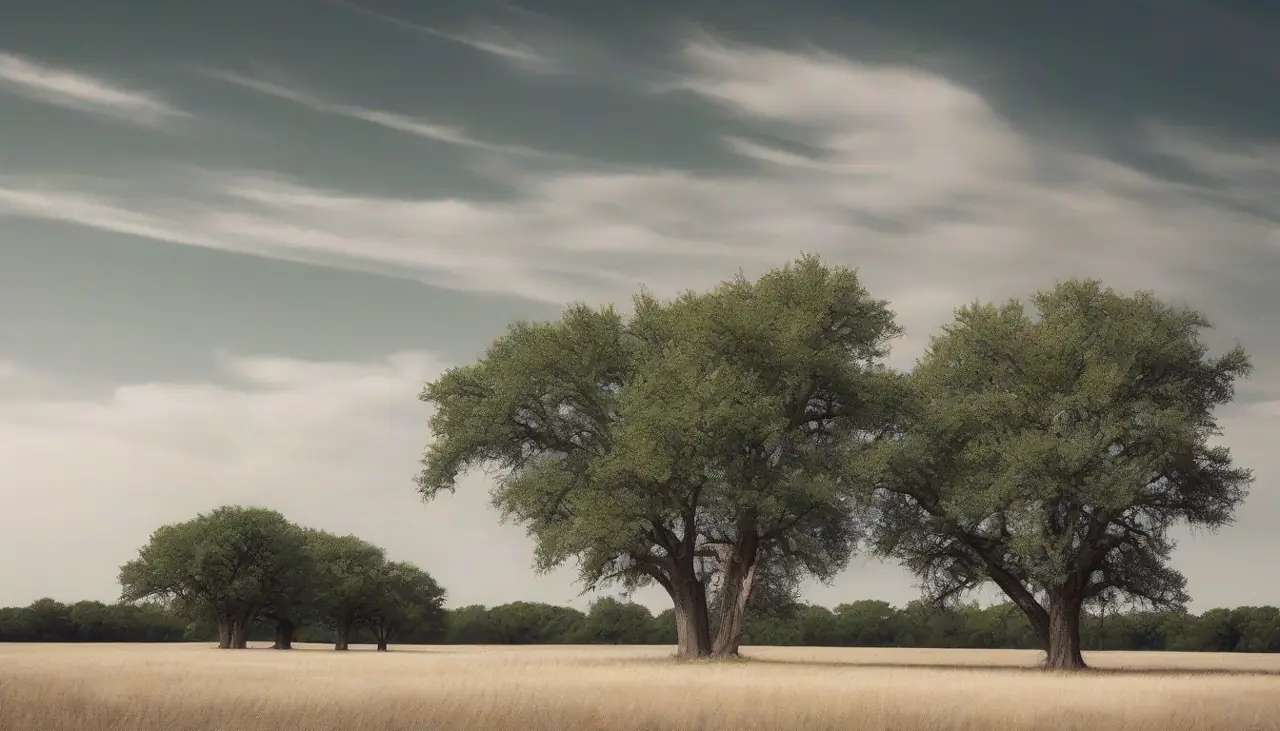
Waxahachie is known for its ornate Victorian courthouse, its gingerbread homes and a spring festival that draws visitors from across the region. The city is also a place where land is changing quickly. I-35E carries traffic and growth south from Dallas, and Ellis County has become one of the busiest industrial and residential growth areas in North Texas.
We buy land in Waxahachie and across Ellis County directly, for cash. You get a written offer, a clear explanation of how we priced it and a closing date you choose. If you inherited farmland, hold acreage you no longer use or want a faster route than a listing, we can help.
Waxahachie land at a glance
Why do Waxahachie landowners sell directly?
Heirs of farm families
Ellis County farms passed through generations. The heirs now live in other cities and want a clean outcome.
Rising tax bills
Growth has lifted appraisals, and idle land feels the pinch.
Developer and industrial interest
Calls and letters arrive. Owners want a plain, fair number to compare.
A wish to simplify
Retiring farmers and estate executors often want a quiet exit.
We tell owners when another route could pay more. A tract with I-35E frontage and active interest may do best with a commercial land broker. A direct sale suits owners who want certainty, speed and privacy.
How does the Waxahachie land market work?
Waxahachie is the seat of Ellis County. I-35E runs along the east side of the city, and US 287 crosses to the north and east toward Midlothian and Ennis. SH 77 leads south and SH 34 runs through the county. Midlothian, Red Oak, Ferris, Ennis and Palmer are neighboring markets.
The market has several features.
Dallas spillover. Growth from southern Dallas County pushes down I-35E and US 287, and builders and industrial users follow.
Industry. Cement plants, steel mills, warehouses and distribution centers cluster in the county, drawing demand for industrial land.
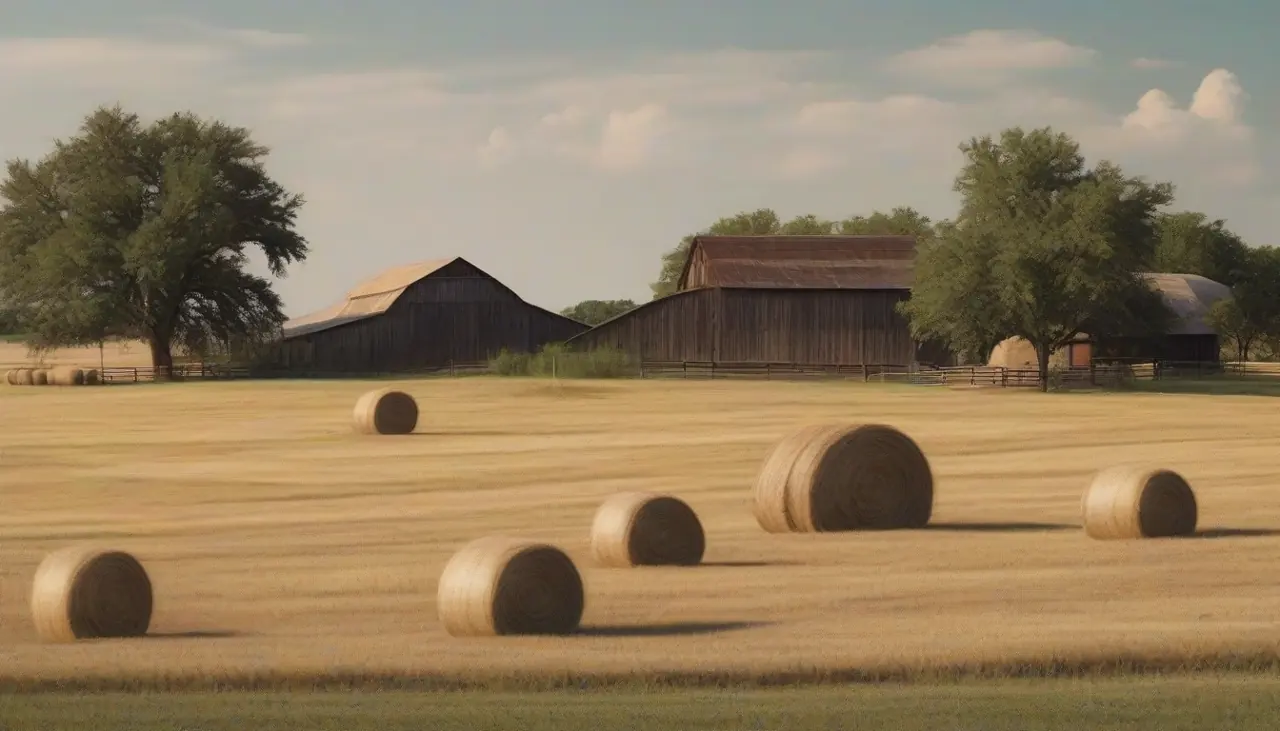
Blackland prairie farms. Fertile soils produce cotton, grain and hay. Farm buyers remain active.
Historic Ellis County. Downtown Waxahachie and Ennis draw heritage-minded buyers and renovators.
Notable history. The unfinished Superconducting Super Collider site near Waxahachie, abandoned in the 1990s, still shapes some land ownership and use.
What matters most to a Waxahachie seller:
- Highway frontage. I-35E, US 287 and SH 77 frontage adds value.
- Utilities. City service, water supply corporations and wells vary across the county.
- Floodplain. Waxahachie Creek, Chambers Creek and their tributaries carry flood zones.
- Soil. Blackland clay is fertile but expansive, which affects building costs.
What affects the value of land in Ellis County?
Highway frontage
Interstate and highway access draws commercial and industrial buyers.
Utilities
Water, sewer and three-phase electric service raise value.
Rail access
Parcels near rail lines suit some industrial users.
Floodplain
Creek corridors restrict building.
Soil and productivity
Farm buyers look at crop history.
Minerals and easements
Pipelines and severed minerals affect what a buyer can do.
Where around Waxahachie is demand strongest?
I-35E north toward Red Oak. Logistics, industrial and residential interest rises as Dallas growth reaches south.
US 287 toward Midlothian. Industrial and housing demand is active.
Along I-35E south toward Hillsboro. Land at lower prices draws investors and long-term holders.
East toward Ennis. Rail and highway access support industrial and residential demand.
Waxahachie’s historic core. Small lots draw renovators and infill builders.
How do you sell inherited or estate land in Ellis County?
Ellis County probate matters run through its county court. The usual order looks like this.
Ellis County farm families often hold land together as siblings or cousins. Some may farm it, and others may live far away. A Texas attorney can explain partition rights and buyout options. If everyone agrees, we can buy the whole tract and divide the proceeds according to ownership.
Do you have a farm lease in place? Send us a copy. A tenant's rights can survive a sale, and the terms affect price. We help you handle it properly.
Ready to talk about your Waxahachie land?
Pick whichever is easiest. No cost, no obligation, no pressure.
Prefer to talk now? Call (512) 588-2771
What taxes and exemptions affect Waxahachie land?
The Ellis Central Appraisal District sets values. Unpaid taxes add penalties and interest, and the county can sue to collect.
Agricultural valuation. Cropland, hay, pasture and wildlife tracts can qualify for open-space valuation. If use changes after a sale, rollback taxes for the prior three years plus interest can apply. Decide who pays.
Back taxes. We can buy land with delinquent balances and pay them at closing from the proceeds.
Capital gains. Inherited property often receives a stepped-up basis, which can reduce gain on a prompt sale. Farm sellers should also ask a CPA about installment sales and like-kind exchange options.
How does blackland soil affect land value?
Ellis County lies in the Blackland Prairie, where dark, heavy clay soils sit under rolling farmland. These soils are rich and productive. They also shrink and swell with moisture, which causes foundation problems if builders do not plan for it.
For a seller, three points matter.
- Farm value. Productive blackland farm ground draws agricultural buyers.
- Building cost. Builders pay more for engineered foundations on expansive clay, and that subtracts from what they can pay for the land.
- Drainage. Clay drains slowly, so water management matters for development.
If you hold farmland that may one day be built on, a geotechnical report can help a buyer price it. If you do not have one, we factor in typical costs and tell you what we assumed.
What mistakes should Waxahachie landowners avoid?
- Assuming highway frontage guarantees a high price. Utilities and zoning still matter.
- Ignoring tenant rights. A farm lease can bind a buyer.
- Forgetting rollback taxes. Decide who pays.
- Selling minerals by accident. Reserve what you want to keep in writing.
- Letting an estate drift. Taxes and insurance continue.
- Skipping a survey. Old descriptions can be wrong.
An illustrative Waxahachie sale, step by step
The following is a composite example built to show the process. It is not a real client, and the details are invented.
Imagine three siblings who inherit 74 acres of blackland farm near Waxahachie from their father. A neighbor has leased the land for corn and cotton for years. The siblings live in Austin, Seattle and Houston. A cement company and a distribution firm have both expanded nearby, and the siblings have heard rumors about a new interchange. They disagree about whether to wait.
They send the address. We review zoning, utilities, flood maps and nearby sales, and we explain that the land is farmed productively, that the nearest highway is a few miles away, that three-phase power runs along the road and that the rumored interchange has no confirmed schedule. We make a written offer and explain how we priced the farm value and what a development premium would depend on.
The siblings have a call with their CPA about the tax basis and sign a closing date after harvest. The tenant finishes the season. The sale closes, and each sibling receives a clear statement.
The lesson: waiting for a rumor to turn into a project can be costly, and an honest offer based on current facts is a useful reference point.
What could change land values around Waxahachie in the next few years?
No one can predict values with certainty. These developments tend to move Ellis County land and are worth watching.
- I-35E, US 287 and SH 77 projects. Changes in access reshape which parcels are in demand.
- Industrial and distribution announcements. New warehouses and plants draw nearby development.
- Dallas County growth moving south. Red Oak, Midlothian and Waxahachie feel the pressure.
- Utility extensions. Water and sewer lines extending to new areas change what can be built.
- Farm commodity prices. Crop prices affect farm buyers’ willingness to pay.
- Interest rates. Higher borrowing costs slow builders and soften land prices.
If any of these touch your parcel, tell us. We factor them into the number and explain the reasoning.
How does Waxahachie compare with nearby markets?
Waxahachie sits at the south end of the Dallas metro. Dallas to the north is largely built out. Cleburne to the west has ranch land and Barnett Shale minerals. Fort Worth has its own logistics growth. To the south, Waco shows the middle of the I-35 corridor.
Within Ellis County, land near I-35E and Red Oak is a different asset from farmland near Ennis. We look at your parcel against its immediate neighbors, not the county average.
What situations do we see most often around Waxahachie?
- Farmland owned by distant heirs. The family is unsure when to sell.
- Land leased to a farmer. The tenant’s rights shape the closing date.
- Tracts near industrial growth. The owner wonders if a developer will come.
- Lots in the historic district. Owners weigh a sale against renovation.
- Land with pipeline easements. The owner is unsure how they affect value.
Who should you call locally before you sell Waxahachie land?
Ellis County has its own water suppliers and a county seat that handles the key records.
- Ellis Central Appraisal District. Look up the account, acreage and agricultural valuation. Compare the district’s acreage with your survey.
- Ellis County Clerk. Deed records, plats, easements and estate filings are in Waxahachie. Search for recorded pipeline easements, farm leases and any prior affidavit of heirship.
- Ellis County Tax Office. Ask for a payoff statement for taxes.
- City of Waxahachie Planning Department. Ask whether the land lies in the city or its extraterritorial jurisdiction, and what zoning and platting rules apply. The city’s historic districts may add rules for downtown properties.
- Rockett Special Utility District, Mountain Peak Special Utility District and other local suppliers. Rural water in Ellis County often comes from special utility districts. Ask which one serves your land and what a connection costs.
- Trinity River Authority. It operates regional wastewater facilities in the area and tracks water resources.
- Ellis County Engineering Department. For land outside a city, it handles road and drainage matters.
If your land lies along a creek such as Waxahachie Creek, ask the county floodplain administrator about FEMA maps.
How does the year run for Waxahachie landowners?
Blackland farms and a growing industrial base set the calendar.
January to March. Taxes are due January 31. Fields are bare, and soil and drainage are easy to see. Farm tenants plan spring planting, and winter is a common time to negotiate leases and sales.
April to June. Appraisal notices arrive, with a protest deadline of May 15 or thirty days after the notice. The Scarborough Renaissance Festival begins its season in the spring, which brings traffic along nearby roads. Spring storms can drop heavy rain on blackland clay.
July to September. Summer heat cracks the clay. Cracks and shrinkage show how expansive the soil is, which matters to builders. Crops mature, and tenants plan harvest. The school year begins in August.
October to December. The Scarborough festival runs into fall, and the Gingerbread Trail draws visitors to historic neighborhoods in the fall and holiday season. Harvest ends, and closings on farmland often follow. Tax bills arrive in October or November.
Industrial news. Plant expansions, warehouses and logistics announcements in Midlothian, Red Oak and Ennis draw interest to nearby land. Ask a buyer how they plan to use the parcel.
Farm cycles. Crop prices and input costs influence farm buyers, and they affect how much a farmer will pay for additional acres. Keep yield records handy.
Land we buy near Waxahachie
How selling land to us works
Tell us about it
Share the location and a few details by form or phone. About a minute, no cost.
We research and make an offer
We check records, access, flood and utilities, then give you a written cash offer within 24 hours and explain the number.
You choose the date and get paid
A Texas title company handles the paperwork. You are paid at closing, usually 7 to 30 days out or on the date you choose.
Benefits of working with Sell My Texas Estate in Waxahachie
No commissions or fees
You keep the full offer. We typically cover standard closing costs.
Buy as-is
No repairs, clearing, surveys or cleanup required to get an offer.
You pick the date
Close in 7 to 30 days, or on the date you choose.
We handle hard land
Back taxes, liens, no road access, heirs, minerals, floodplain.
Cash or flexible terms
Cash when it works, owner-financed or creative terms when the deal needs them.
Straight answers
If a listing would net you more, we will say so.
Local to Texas
We know Ellis County records, local utilities and how builders and investors price land around Waxahachie.
Cash offer vs listing your Waxahachie land
| Sell to us | List with an agent | Auction | |
|---|---|---|---|
| Commission and fees | None | Commonly 5 to 6%+ | Buyer's premium and fees |
| Time to close | 7 to 30 days, or your date | Often months on land | Weeks, on their schedule |
| Price certainty | Written offer up front | Depends on market | Unknown until bidding |
| How you get paid | Cash at closing, or owner-financed terms | Whatever the buyer can finance | Cash at the auction |
| Financing risk | None, cash | Buyer loan can fail | Usually cash |
| Repairs and cleanup | None | Often expected | As-is |
Details in our guides to selling land for cash, selling land fast and selling without a realtor.
Cash is simple. Some land needs more than that.
We buy for cash when that works. When a deal needs it, we get creative: owner-financed purchases, notes, partnerships and development.
Cash offer
A written offer within 24 hours. Closing typically takes 7 to 30 days, or on the date you choose. No commissions or fees.
Owner financing and notes
Want a down payment and payments over time? We can buy your land on owner-financed terms, and we can talk about buying an owner-financed note you hold.
Partnerships and entitlement
Land with development potential? We partner with landowners, buy entitled land and take properties through entitlement.
There is no one-size-fits-all land deal. Each one can have its own lenders, financials and offers, so contact us for details.
Tell us how you want to be paid How owner financing works → Investor? Register for deals →
Waxahachie land selling: frequently asked questions
How much is my Waxahachie land worth?
Highway access, utilities, soil, floodplain, minerals and size drive value. Send the address or tax account number and we give you a written offer within 24 hours with the reasoning behind it.
Do you buy farmland in Ellis County?
Yes. We buy cropland, pasture and rural tracts across Ellis and nearby counties.
Do you buy land with a farm lease?
Yes. We review the lease and explain how it affects the sale.
Do you buy industrial land near Midlothian?
Yes. Send us the details and we tell you whether it fits.
Should I wait for a new interchange?
Announcements can change values, but timing is uncertain and taxes continue. We lay out the trade-offs and let you decide.
Do you buy land near the cement plants?
Yes. We review noise, truck traffic and zoning, and price them honestly.
What if my farm floods in heavy rain?
Blackland clay drains slowly. We review flood maps and drainage and price them honestly.
Do you buy lots in the historic district?
Yes. We review historic overlays and price them honestly.
Nearby cities and counties we buy in
Dallas, Cleburne, Fort Worth, McKinney, Waco, Denton. Also see Ellis County and all 254 Texas counties.
We are a direct property buyer, not a law firm, tax advisor or real estate brokerage. This guide is general information, not legal or tax advice. Population figures: U.S. Census Bureau Vintage 2025 estimates. Market figures are indicative and change.