
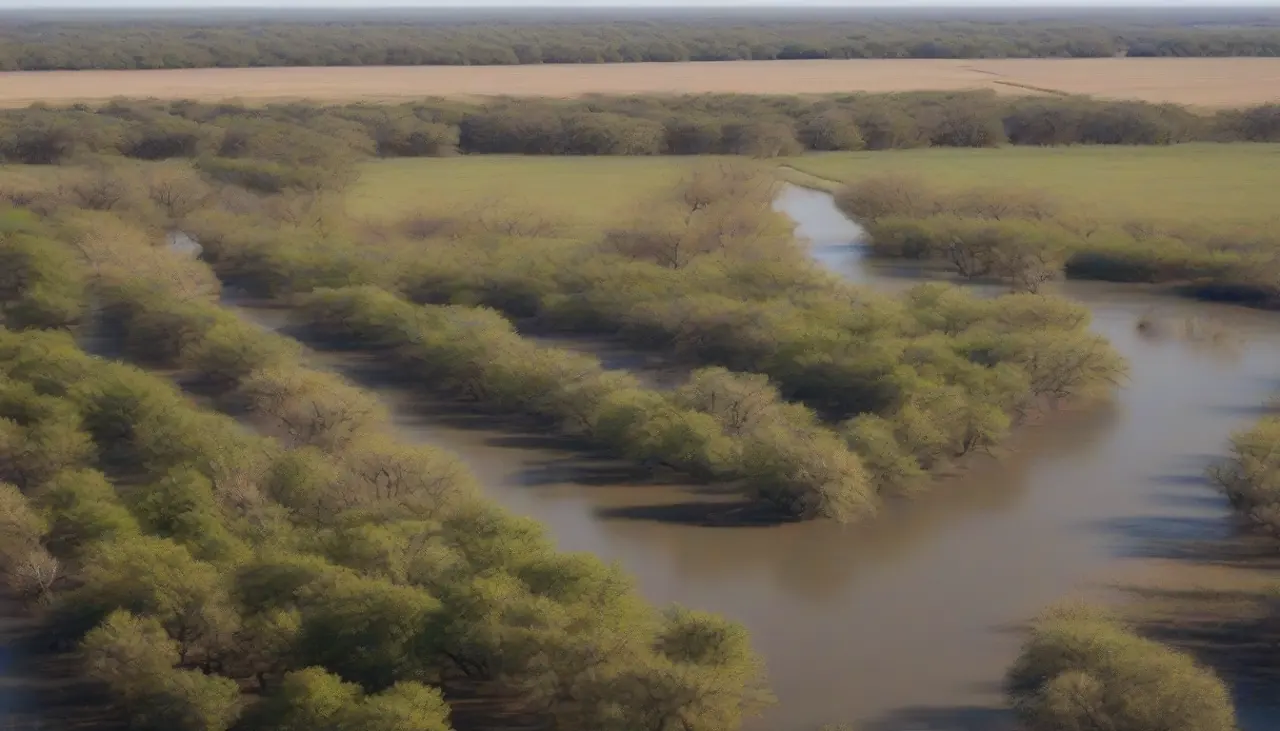
Waco is the largest city in McLennan County, with about 148,000 residents in the 2025 Census estimates, and the center of a metro area in the middle of the Texas Triangle. It sits on the Brazos River where I-35 meets US 84 and US 77, home to a major university and a nationally known retail destination, and surrounded by Blackland Prairie farmland that has been cotton, grain and cattle country for generations.
This guide explains how land sells in and around Waco, which rules matter, what drives demand and how a direct sale compares with listing. You can get a free quote, book a call or schedule a visit at any point.
Waco land at a glance
Why Waco landowners choose a direct cash sale
Between two big markets
Waco is far enough from Austin and DFW to be less expensive but close enough to attract builders and investors. A direct sale lets you act when interest is high.
Farm families hold land jointly
Blackland farms are often held by several heirs. One buyer and a coordinated closing simplifies it.
Land near the river is complicated
Brazos bottom land has floodplain and drainage questions that scare off retail buyers. We price the usable ground.
How land sells in Waco
Land in the Waco area sells to builders and developers working the I-35 corridor and the city's growing edges, industrial users near highways and rail, farmers and ranchers adding acreage, and investors looking for lower-cost land that benefits from growth in both directions along I-35. Lake Waco and the surrounding area also draw recreational and lifestyle buyers.
The state's rural land data groups this area into the Austin-Waco-Hill Country region, where large rural tracts averaged about $8,040 per acre in the second quarter of 2026, up around 8.6 percent from a year earlier. That is a broad regional average for large tracts, and individual parcels can be far higher or lower depending on access and utilities.
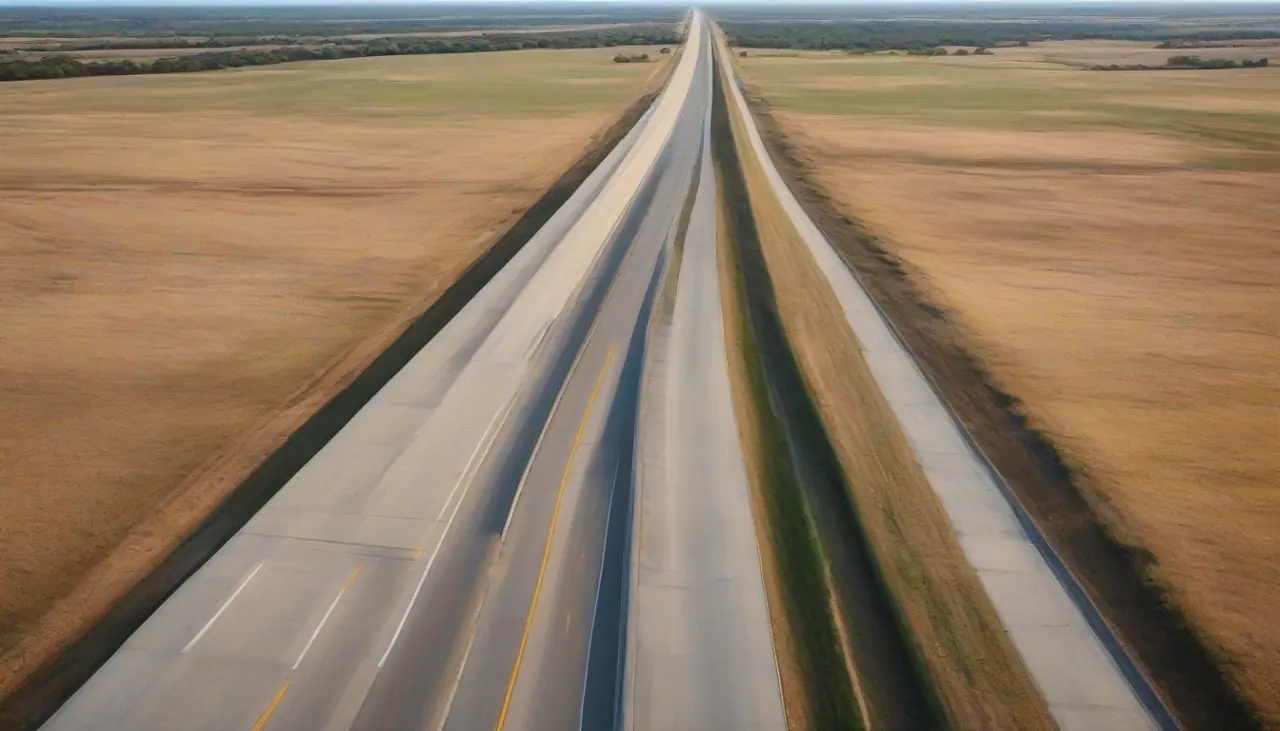
Parcels that are landlocked, in floodplain, carry pipeline easements or have unclear title are hard for retail buyers who need financing. Direct buyers can usually evaluate and absorb those issues.
The decision between listing and a direct sale comes down to net proceeds and certainty. A listing of a clean tract may reach more buyers, but you pay commission and wait. A direct sale gives a firm number and date.
Land types in Waco and what drives their value
| Land type | What drives value | Who typically buys | Watch for |
|---|---|---|---|
| I-35 corridor tracts | Highway access, utilities, size, zoning | Industrial users, developers | Access rules, drainage, easements |
| Blackland farmland | Soil, size, frontage, drainage | Farmers, investors, developers | Expansive clay, leases, ag valuation |
| Brazos River bottom | Buildable area, access, flood history | Recreational buyers, farmers | Floodway, drainage, limited use |
| Lake-area acreage | Water access, scenery, utilities | Lifestyle and recreational buyers | Federal boundary, floodplain |
| Inherited family land | Clear title, heirs' agreement, tax history | Direct buyers, investors | Probate, multiple owners, back taxes |
Ready to talk about your Waco land?
Pick whichever is easiest. No cost, no obligation, no pressure.
Prefer to talk now? Call (512) 588-2771
Land areas around Waco
North Waco and the I-35 corridor toward Hill County
Highway land with growing logistics interest. Farther north, Hill County has drawn data-center developers with offers far above appraisal.
South toward McGregor and Temple
Farm and industrial land with a mix of local and regional buyers. The area also hosts aerospace testing activity near McGregor.
West toward Lake Waco and the Hill Country edge
Limestone ridges, lake frontage and rural homesites with recreational value.
East on US 84 toward Mexia
Rural land and farm tracts with lower prices and slower markets.
The Brazos and Bosque River bottoms
Fertile but flood-prone ground, farmed and ranched for generations.
Rules and records every Waco seller should know

Waco has zoning and development standards inside the city, and McLennan County's subdivision and road rules apply elsewhere. If you are thinking about splitting a tract, check which rules apply first. Parcels near the lake may involve federal land and easements.
Valuation and ownership records are held by the McLennan County Appraisal District and recorded deeds and easements by the McLennan County Clerk. Floodplain along the Brazos River and its tributaries limits usable acreage. Pipeline easements cross many farm tracts.
Many farm tracts have agricultural valuation, and a change of use after a sale can trigger rollback tax for up to three prior years plus interest. We check these and explain who pays before you sign.
Water, septic and utilities near Waco
The city provides water and wastewater, and surrounding areas use water supply corporations and wells. Extending utilities to farmland is a major cost for buyers.
Blackland clay shrinks and swells, which affects foundations and septic. Rural septic systems often need engineered designs.
What is driving land demand around Waco
Waco is part of the Texas Triangle's central corridor, and the stretch of I-35 between the DFW and Austin areas is a major freight and growth route. North Texas is on track for about nine million residents and the Austin to San Antonio corridor for more than five million, and both push demand toward the middle.
Hill County to the north has shown how quickly data-center developers can reprice farmland, and local officials briefly paused then lifted a moratorium. TxDOT continues to plan and build improvements on I-35, and the region's industrial and aerospace employers add demand.
None of this guarantees a price for any parcel. Access, utilities, floodplain and title decide value.
See the bigger picture in our guides to the I-35 corridor and the Texas Triangle.
Common reasons Waco owners sell land
A family farm on the Blackland
Heirs live in other states and want one buyer and a clean split.
River bottom land that floods
The owner struggles to find a retail buyer. We price the usable ground.
A tract near a new industrial site
The owner is approached by buyers and wants a clear baseline.
Lake-area land
The owner no longer uses the property. We buy as-is.
What affects the value of Waco land
I-35 frontage
The interstate draws commercial and industrial buyers who need truck access.
Utilities
Water, sewer and three-phase electric power add value.
Zoning and jurisdiction
City zoning, extraterritorial jurisdiction and county rules differ.
Floodplain and drainage
The Brazos River and creeks restrict some parcels.
Soil and crop history
Farm buyers look at productivity.
Minerals and easements
Pipelines and severed minerals affect what a buyer can do.
How do you sell inherited or estate land in McLennan County?
McLennan County probate matters go through its county court. The usual order looks like this.
Locate the will. A will generally must be probated within four years of death in Texas. Without one, heirs may use a determination of heirship.
Obtain legal authority. An executor needs letters testamentary. An administrator may be appointed if there is no will.
Collect the paperwork. Deed, tax statement, survey and death certificate.
Align the heirs. All owners must agree or a court must authorize the sale.
Close through a title company. Taxes and liens are paid at closing.
Rural Central Texas families often hold land through informal transfers. A deed may still carry a grandparent's name, and no one has probated the estate. A title company usually requires an affidavit of heirship or a court order. A Texas probate attorney can explain which one fits. We can work with your attorney and handle the purchase once the legal authority is in place.
Not sure what you own? Send the address or the McLennan County Appraisal District account number. We check the owner of record, open taxes and recorded liens so you know what a title company will ask.
Why does Waco's midpoint position matter to a land seller?
Between Dallas-Fort Worth and Austin, I-35 carries more than a hundred miles of rural and small-town land that is slowly filling in. Waco is the largest city in that gap. As both metro areas grow, the gap narrows, and land in the middle gains attention from builders, logistics firms and investors.
That does not mean every parcel is about to jump in value. Growth is uneven, and timing is hard to predict. A few signs help.
Utility expansion. New water and sewer lines extend toward land that was once too far out.
Road improvements. Interchange upgrades and new frontage roads open land to commercial use.
Neighboring sales. A large tract sold nearby for development can reset nearby values.
Industrial announcements. Big employers choose sites in McLennan, Falls and Limestone counties.
If any of these apply to your land, tell us. We price the land based on what is likely and what is possible, and we are honest about the gap.
How does Waco compare with nearby markets?
Waco sits between two fast-growing metros, and its neighbors show the range. To the south, Temple, Belton and Killeen have military, healthcare and highway-driven demand. Farther south, Georgetown and Round Rock show what Austin’s northern growth looks like. To the north, Waxahachie and Cleburne show Dallas-Fort Worth’s southern edge.
Waco’s land values are generally lower than in the Austin or Dallas suburbs, but its growth direction is clear. We look at your parcel against its immediate neighbors, not the county average.
Who should you call locally before you sell Waco land?
McLennan County has a short list of offices that cover most seller questions.
- McLennan County Appraisal District. Look up the account, acreage and any agricultural valuation. The district’s map and ownership data help you compare what is on record with your deed.
- McLennan County Clerk. Deed records, recorded easements and estate filings are here. Search for pipeline easements, recorded plats and any prior affidavit of heirship.
- McLennan County Tax Office. Ask for a payoff statement for taxes.
- City of Waco Planning Services. If the land lies inside the city or its extraterritorial jurisdiction, this office handles zoning and platting questions.
- Rural water supply corporations and the City of Waco Water Utility. Ask who serves the property and how far the nearest line runs. Rural water meters add value to acreage that is otherwise hard to build on.
- Brazos River Authority. It manages water supply and tracks river and reservoir conditions. Land near the Brazos or Bosque rivers may be affected by floodplain studies or easements.
- Texas Department of Transportation, Waco District. The district publishes project maps for I-35, US 84 and Loop 340. Planned changes to frontage roads and interchanges can shift land value.
For land near McGregor, ask the city or the local economic development corporation about industrial plans that might draw new employers.
How does the year run for Waco landowners?
The middle of the I-35 corridor has a calendar shaped by school, tourism and farming.
January to March. Taxes are due January 31. Winter is quiet in the fields, and fence lines and pond banks are easy to inspect. Baylor’s spring semester draws families and visitors, which affects rentals near campus.
April to June. Appraisal notices arrive, with a protest deadline of May 15 or thirty days after the notice. Spring storms and flash floods are common, and Brazos and Bosque river bottoms can flood quickly. Take photographs after major rains to document drainage.
July to September. Summer is hot, and hay crops and pasture can brown. Football season begins in September, and weekend traffic near Baylor can complicate showings. Tourism along the downtown riverfront peaks in summer, which supports demand for nearby infill lots.
October to December. Hunting season brings recreation buyers to rural tracts in McLennan and neighboring counties. Tax statements arrive, and many sellers close before year-end. Pasture leases often renew on a calendar year, which affects closing dates.
Corridor news. Announcements about I-35 improvements, new warehouses and employer expansions can lift demand quickly. A seller who has a clear title and ready documents can respond to interest when it arrives.
Between two metros. Dallas-Fort Worth and Austin growth both push toward Waco. Buyers watch utilities and highway projects as signals of timing.
How selling land to us works
Tell us about it
Share the location and a few details by form or phone. About a minute, no cost.
We research and make an offer
We check records, access, flood and utilities, then give you a written cash offer within 24 hours and explain the number.
You choose the date and get paid
A Texas title company handles the paperwork. You are paid at closing, usually 7 to 30 days out or on the date you choose.
Benefits of working with Sell My Texas Estate in Waco
No commissions or fees
You keep the full offer. We typically cover standard closing costs.
Buy as-is
No repairs, clearing, surveys or cleanup required to get an offer.
You pick the date
Close in 7 to 30 days, or on the date you choose.
We handle hard land
Back taxes, liens, no road access, heirs, minerals, floodplain.
Cash or flexible terms
Cash when it works, owner-financed or creative terms when the deal needs them.
Straight answers
If a listing would net you more, we will say so.
Local to Texas
We understand McLennan County records, Blackland and Brazos bottom soils and how Waco land is priced between the Dallas-Fort Worth and Austin markets.
Cash offer vs listing your Waco land
| Sell to us | List with an agent | Auction | |
|---|---|---|---|
| Commission and fees | None | Commonly 5 to 6%+ | Buyer's premium and fees |
| Time to close | 7 to 30 days, or your date | Often months on land | Weeks, on their schedule |
| Price certainty | Written offer up front | Depends on market | Unknown until bidding |
| How you get paid | Cash at closing, or owner-financed terms | Whatever the buyer can finance | Cash at the auction |
| Financing risk | None, cash | Buyer loan can fail | Usually cash |
| Repairs and cleanup | None | Often expected | As-is |
Details in our guides to selling land for cash, selling land fast and selling without a realtor.
Cash is simple. Some land needs more than that.
We buy for cash when that works. When a deal needs it, we get creative: owner-financed purchases, notes, partnerships and development.
Cash offer
A written offer within 24 hours. Closing typically takes 7 to 30 days, or on the date you choose. No commissions or fees.
Owner financing and notes
Want a down payment and payments over time? We can buy your land on owner-financed terms, and we can talk about buying an owner-financed note you hold.
Partnerships and entitlement
Land with development potential? We partner with landowners, buy entitled land and take properties through entitlement.
There is no one-size-fits-all land deal. Each one can have its own lenders, financials and offers, so contact us for details.
Tell us how you want to be paid How owner financing works → Investor? Register for deals →
Waco land selling: frequently asked questions
Can I sell land in Waco without a realtor?
Yes. We buy directly, a Texas title company handles the closing, and you pay no commission.
How fast can I close?
Often 7 to 30 days after acceptance, or a later date you choose.
Do you buy farm land around Waco?
Yes. We buy Blackland farm tracts across McLennan and surrounding counties and review leases and valuation.
Can you buy land in the Brazos River floodplain?
Yes. We review flood maps and price the usable portion.
Does data-center demand in Hill County affect my land?
Land with access to power can be worth more to some buyers, but each parcel depends on its own facts. We evaluate yours.
Can you buy inherited land before probate?
We can sign a contract contingent on the signer's authority and close when the court paperwork is ready.
What if there are several heirs?
All owners generally need to agree and sign. We coordinate and the title company divides proceeds.
Will I owe rollback tax?
If your land has an agricultural valuation and use changes, up to three prior years plus interest can be billed. We explain who pays.
Can you buy land with back taxes or liens?
Yes. They are paid from your proceeds at closing.
What if my land has a pipeline easement?
We read the easement and price the usable area.
Is a cash offer lower than listing?
Usually, because of speed and certainty and no commission or repairs. We will tell you if listing would net more.
How do I get started?
Request a free quote, book a call or schedule a visit using the buttons on this page.
How much is my Waco land worth?
Highway access, utilities, floodplain, soil, zoning and size drive value. Send the address or tax account number and we give you a written offer within 24 hours with the reasoning behind it.
Do you buy land along I-35?
Yes. Interstate frontage is some of the most sought-after land in the county. We price it carefully and explain our reasoning.
Do you buy farm and ranch land in McLennan County?
Yes. We buy farm, ranch and rural tracts across McLennan and nearby counties.
Should I wait for a developer to buy my land?
Sometimes waiting pays, and sometimes it does not. Timing is hard to predict, taxes keep running and contracts can be conditional. We lay out the trade-offs honestly.
Nearby cities and counties we buy in
Temple, Killeen, Dallas, Austin, Mclennan County, Hill County, Bell County, Belton. Also see McLennan County and all 254 Texas counties.
We are a direct property buyer, not a law firm, tax advisor or real estate brokerage. This guide is general information, not legal or tax advice. Population figures: U.S. Census Bureau Vintage 2025 estimates. Market figures are indicative and change.